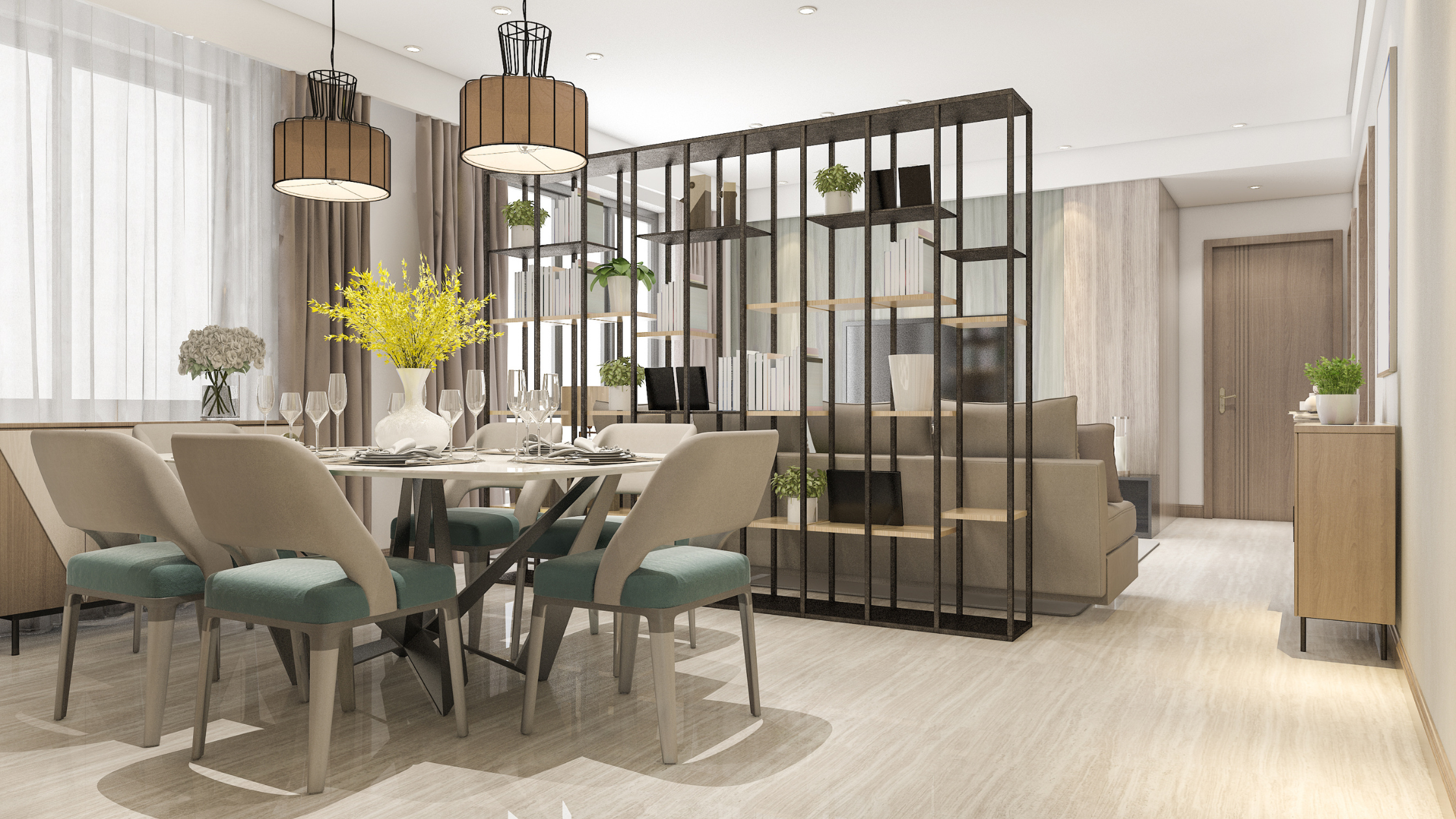
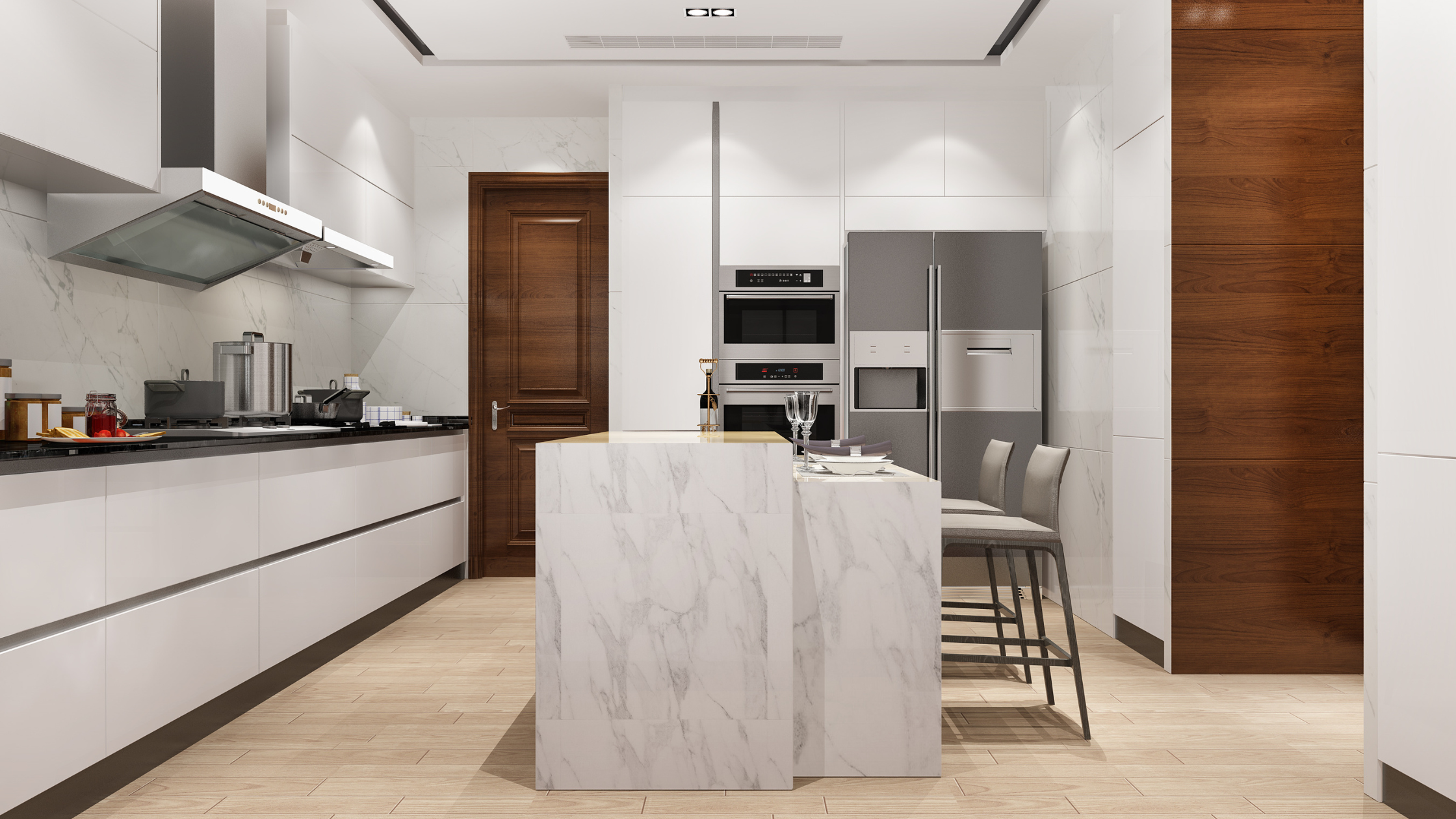
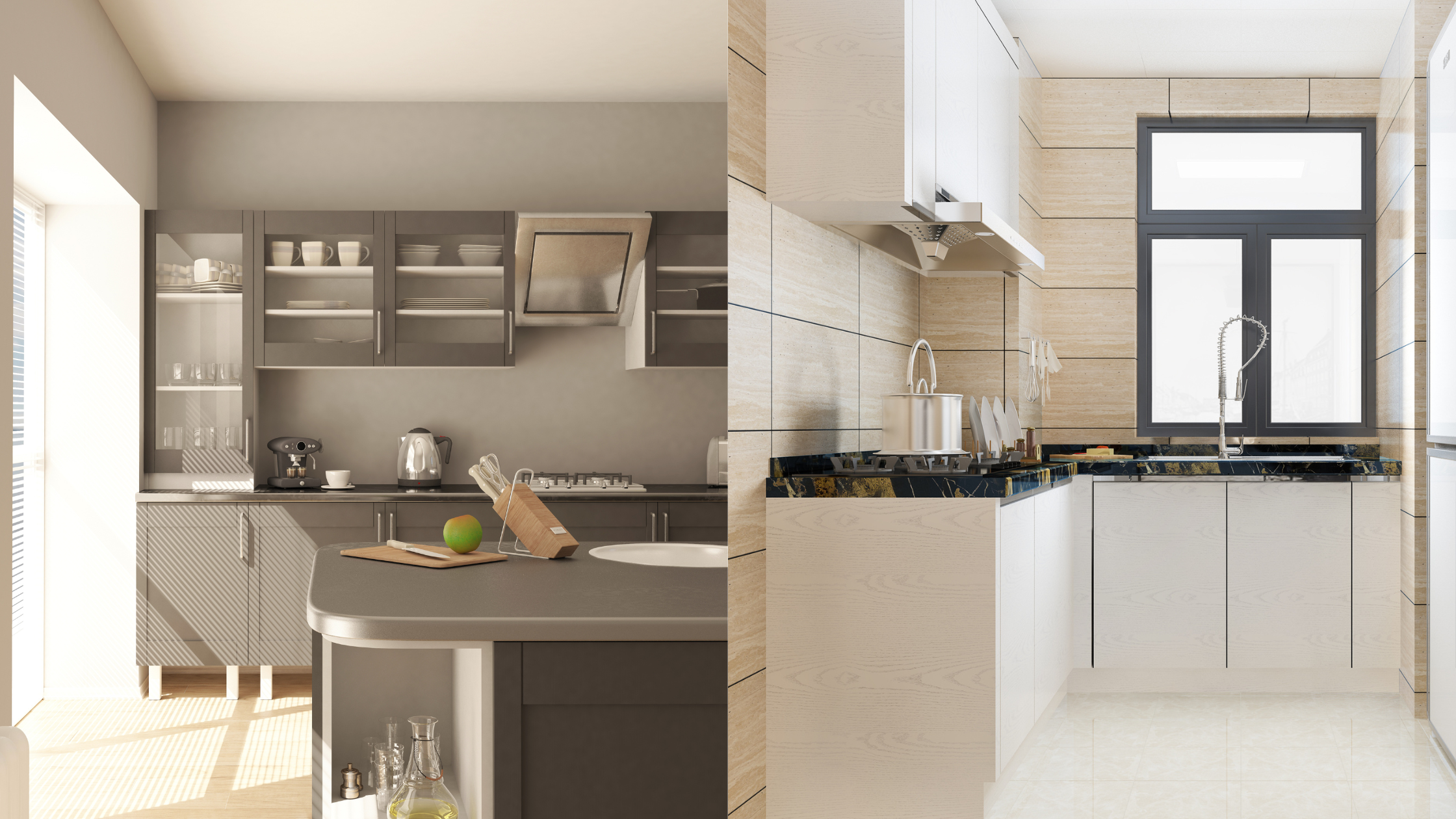
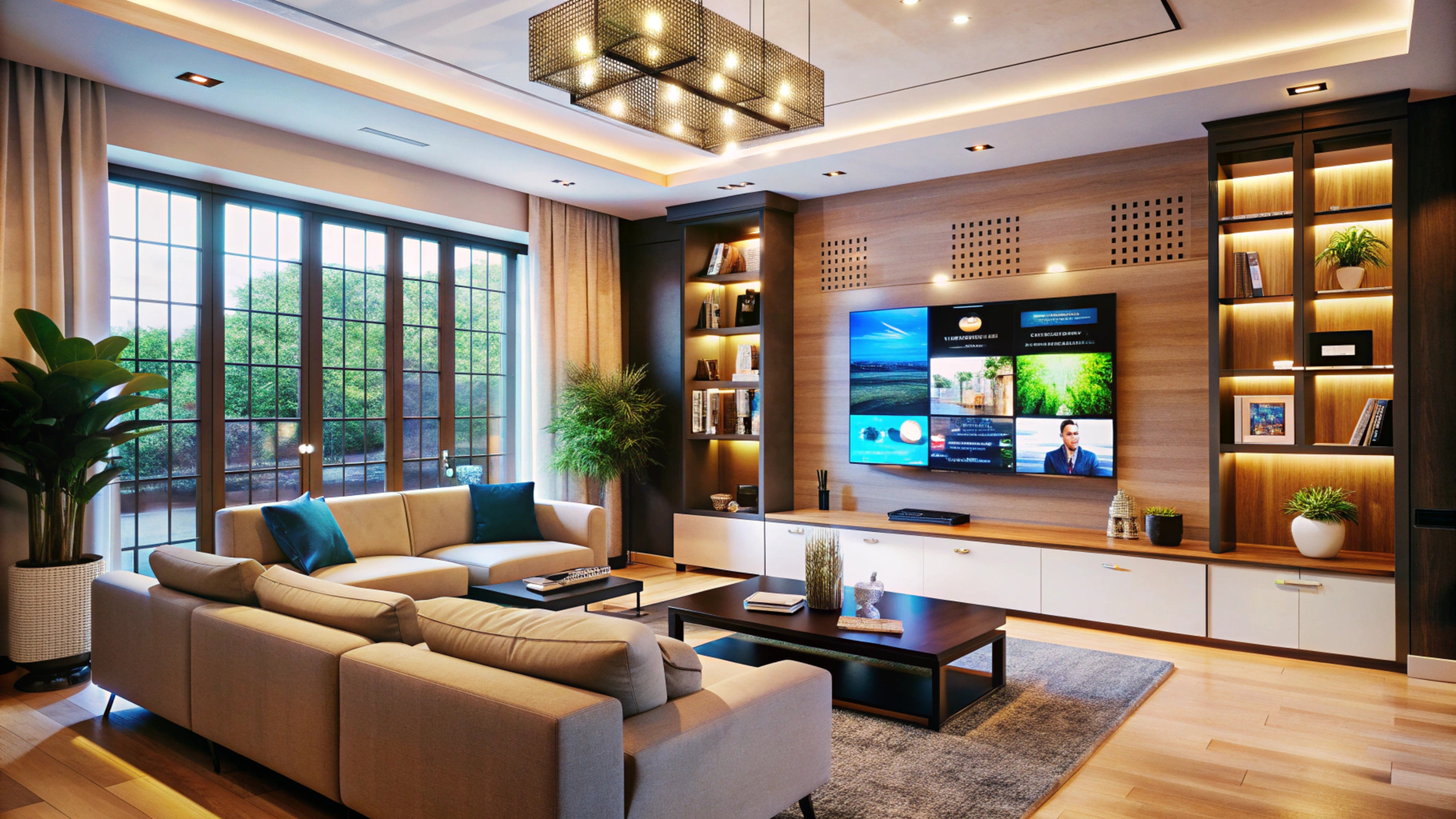
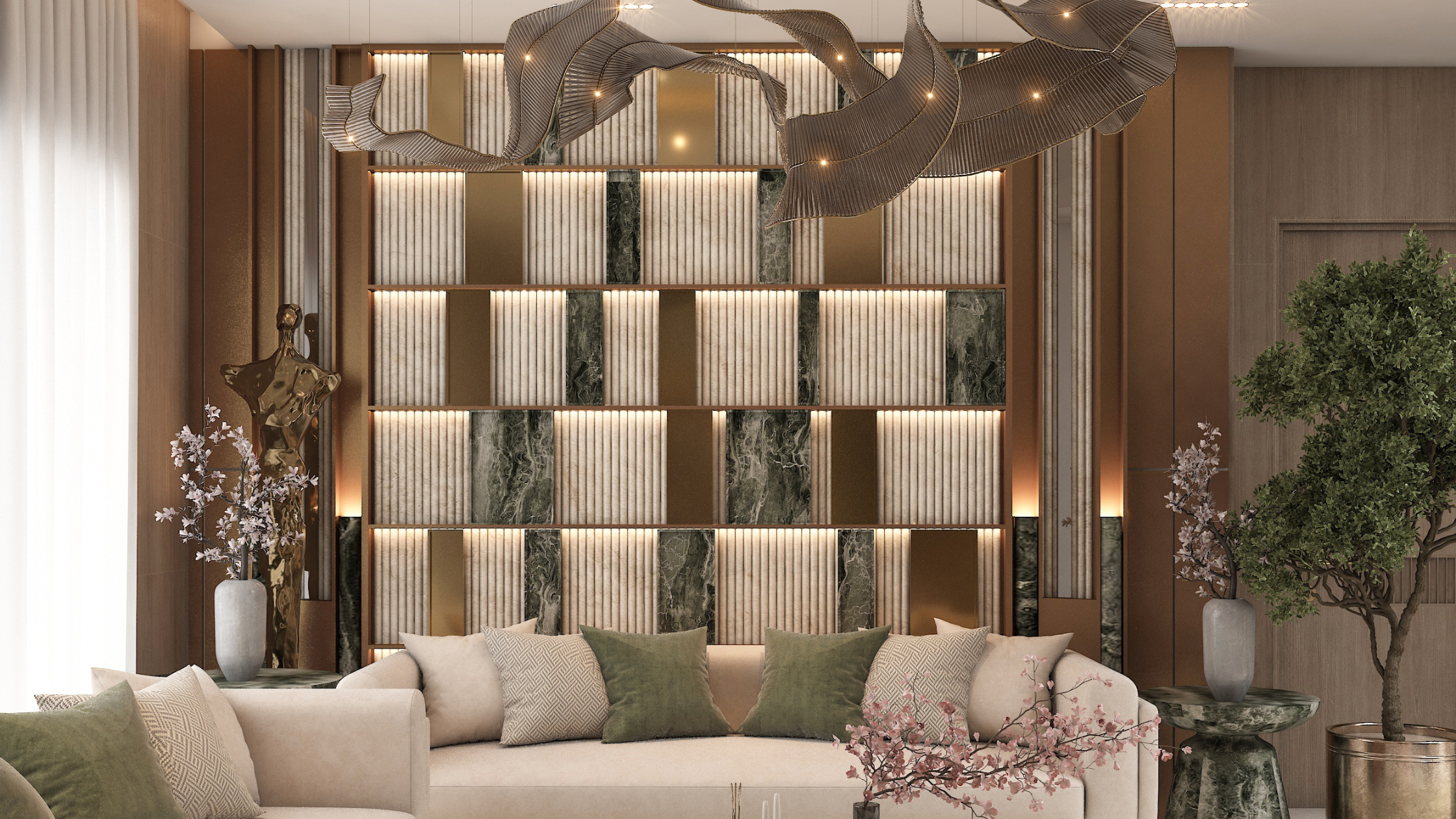
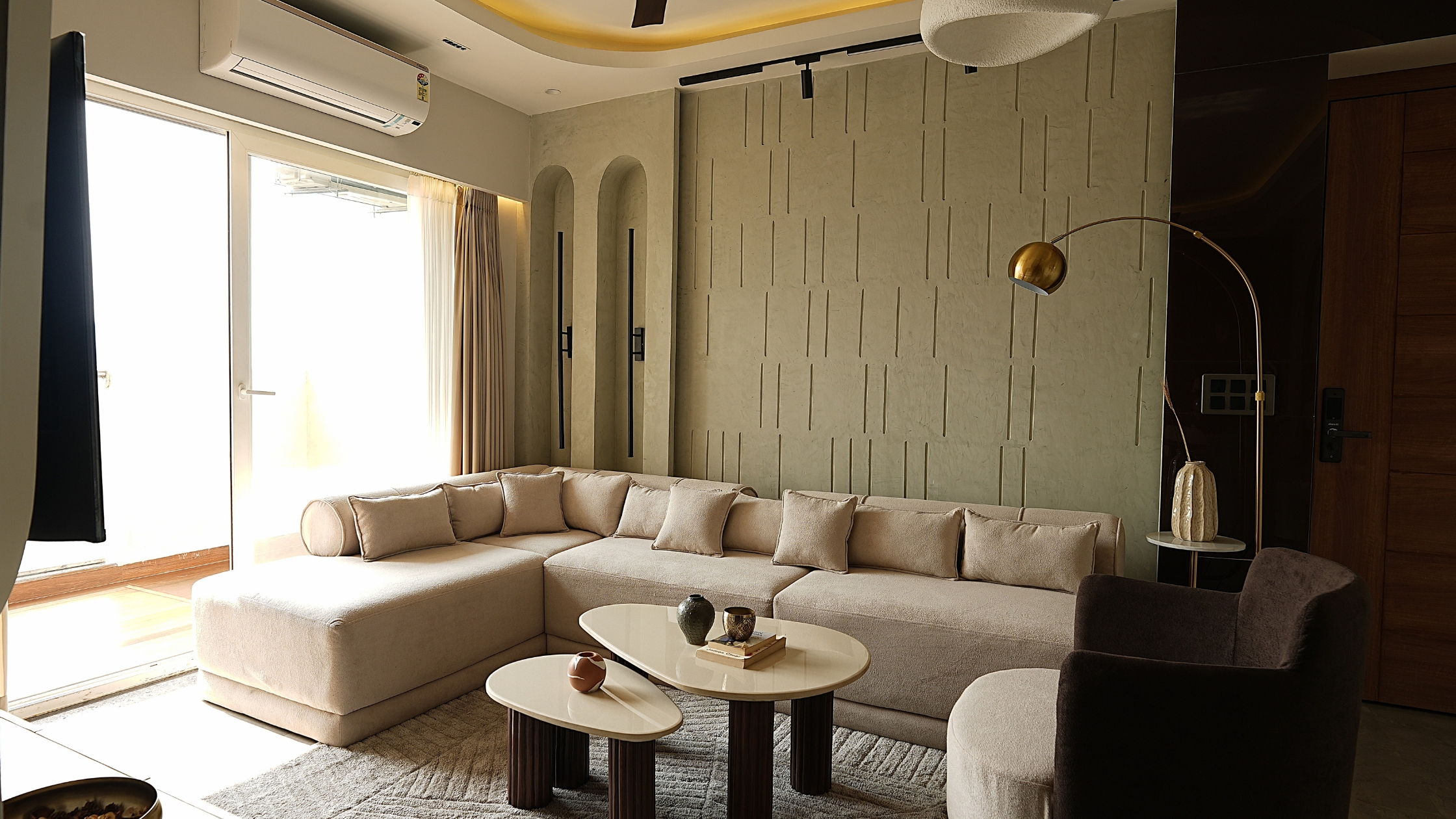
Designing your home is exciting—but choosing the right interior approach can quickly become confusing. At Los Espacios, we often see homeowners struggle with one key question:Should you go for turnkey interiors or modular interiors?
Both options are widely used in modern homes, but they serve different purposes. The right choice depends on your budget, timeline, and how involved you want to be in the process. Let’s break it down in a simple, practical way.
What Are Turnkey Interiors?
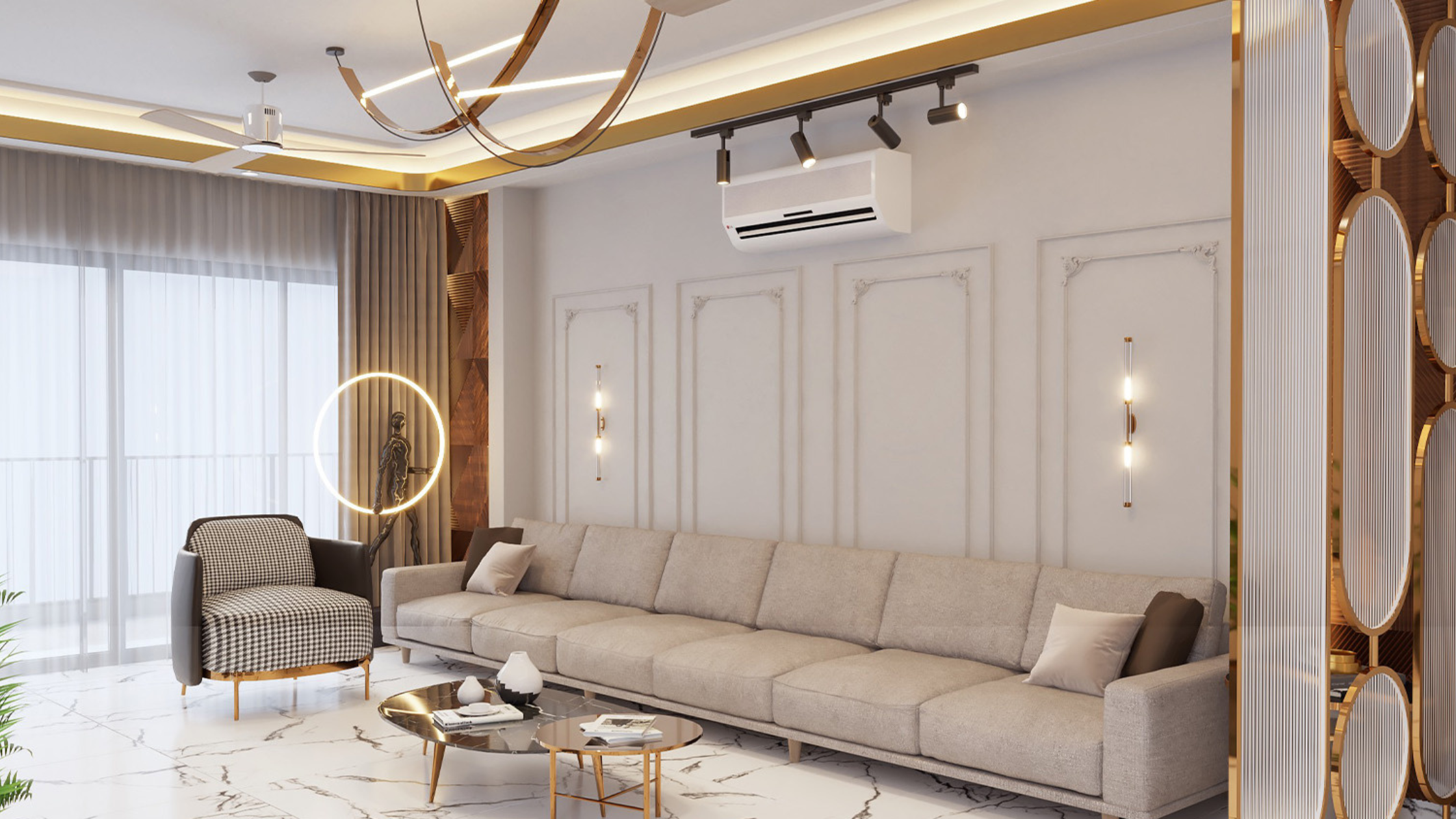
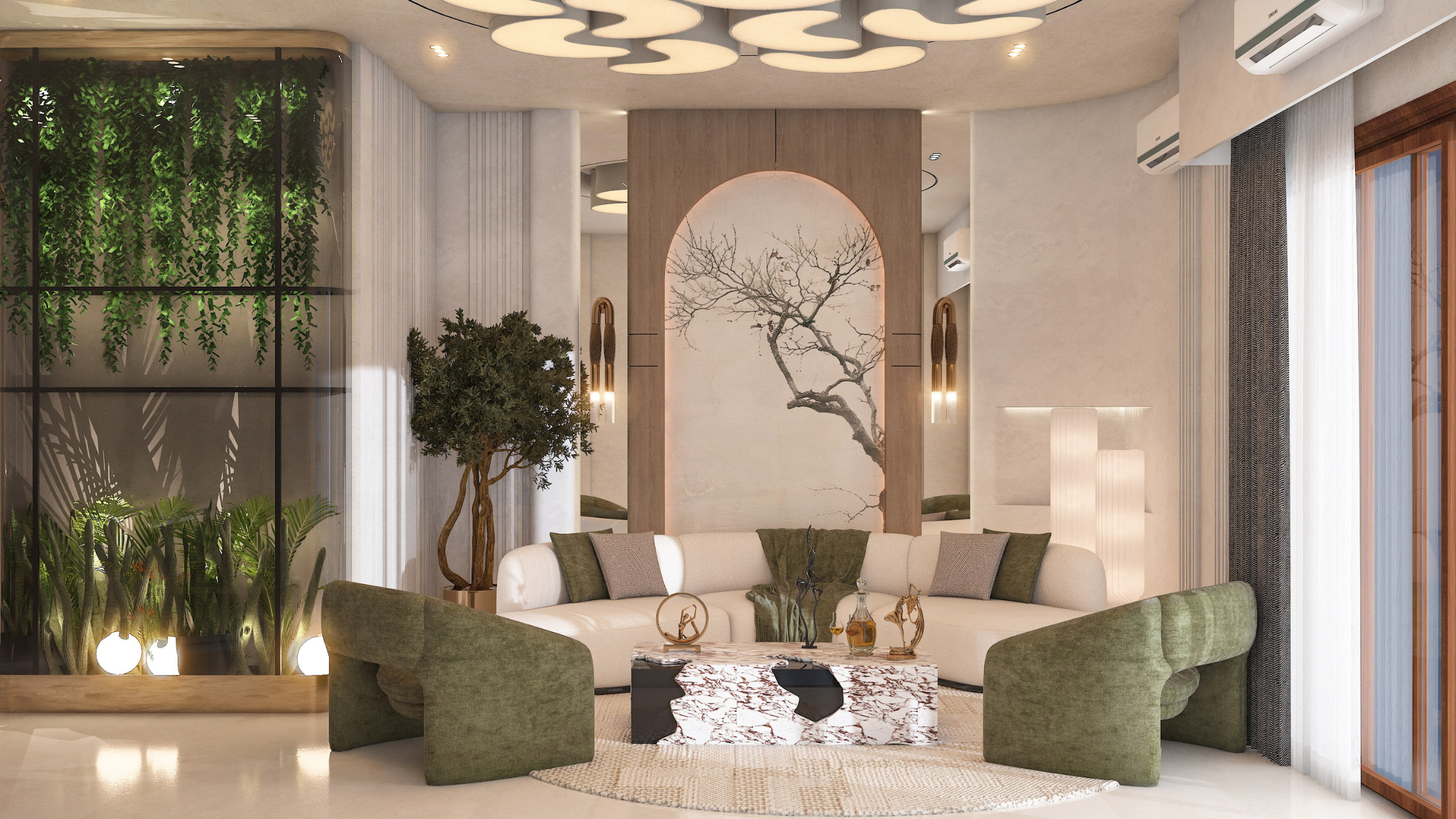
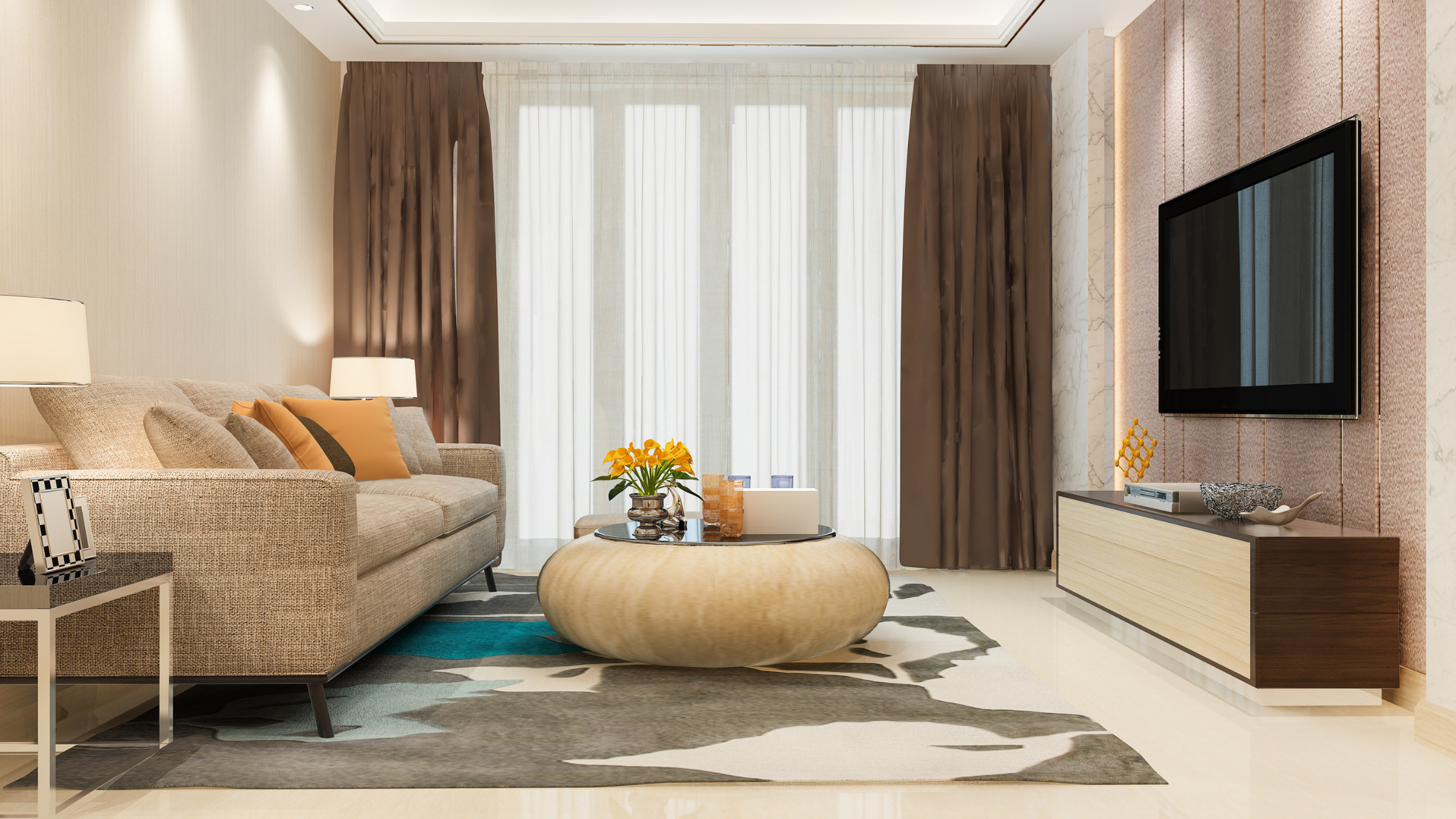
Turnkey interiors offer a complete solution where everything is handled by one team. From planning and design to execution and final handover, the entire process is managed for you. With turnkey interior design, your home is delivered ready to move in. You do not have to deal with multiple vendors or worry about coordination.
This is ideal for homeowners who want a hassle-free and premium experience.
What Are Modular Interiors?
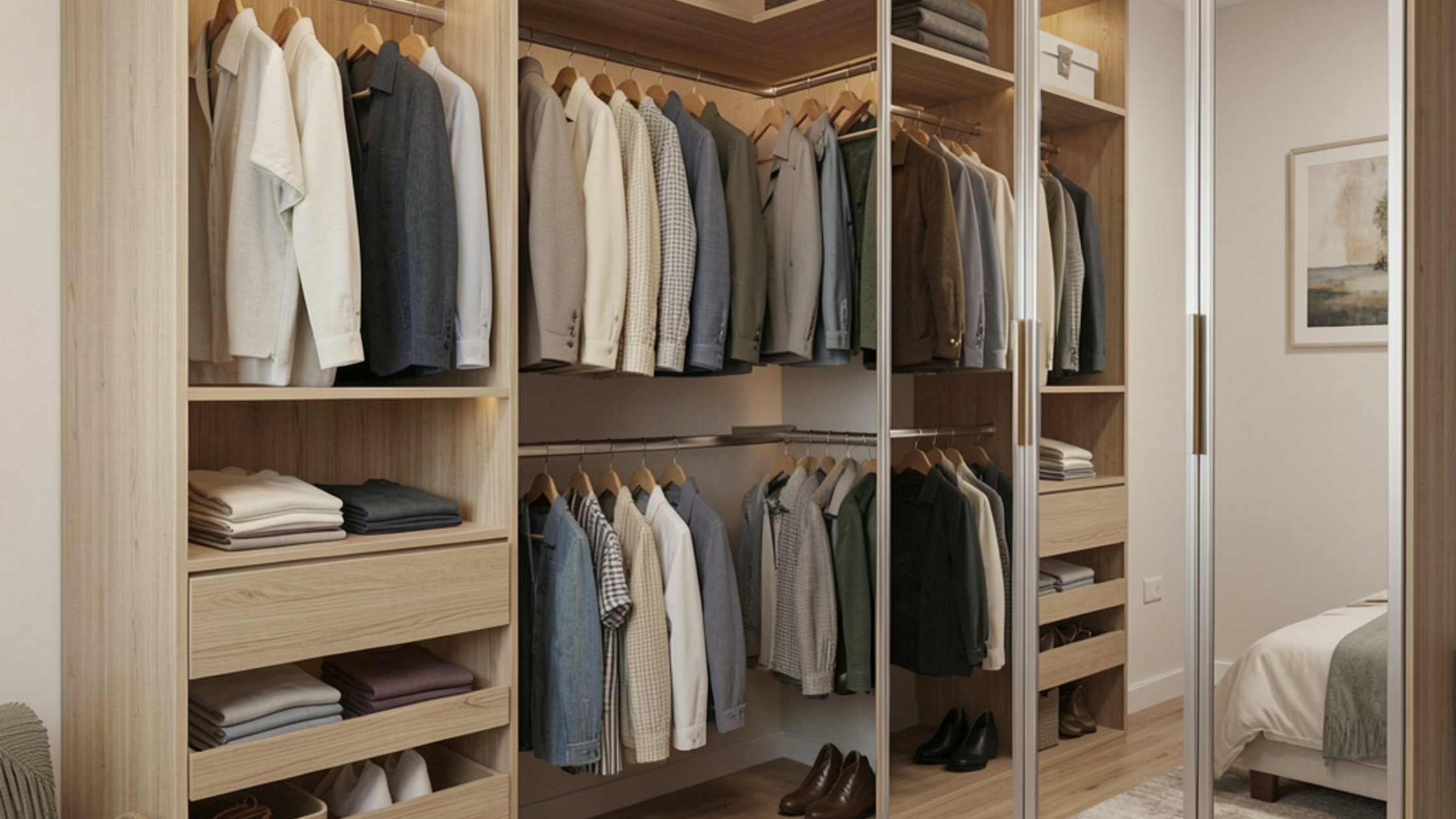
Modular interiors are built using pre-manufactured units that are assembled on-site. These are commonly used for kitchens, wardrobes, and storage systems.
They are designed to offer speed, flexibility, and modern aesthetics.
Why modular interiors are popular:
Faster installation
Budget-friendly options
Easy to upgrade or replace
Clean and contemporary look
If you prefer flexibility and phased upgrades, modular interiors are a great option.
Turnkey Interiors vs Modular Interiors: Key Differences
Factor
Turnkey Interiors
Modular Interiors
Scope
Complete home solution
Specific areas only
Customization
Fully tailored
Limited to modules
Execution
Designed + built on-site
Factory-made + installed
Timeline
Takes more time
Faster completion
Cost
Higher upfront
More budget-friendly
Flexibility
Fixed after completion
Easy to modify later
Involvement
Minimal effort required
Some coordination needed
Cost Comparison: What Should You Expect?
Understanding cost differences between turnkey interior and modular interiors is crucial.
While the upfront investment is higher, it helps avoid hidden costs, delays, and multiple vendor issues.
Modular Interior Cost
Modular interiors are more affordable initially. You can start with essential spaces and expand over time.
However, if you try to cover the entire home using modular units, costs may increase gradually.
Pros and Cons
Turnkey Interiors
Pros:
Complete peace of mind
Professionally managed project
Consistent design throughout the home
Saves time and effort
Cons:
Higher initial cost
Limited flexibility after completion
Modular Interiors
Pros:
Cost-effective
Quick installation
Easy to maintain and upgrade
Cons:
Limited customization
Not ideal for complete home transformation alone
Which One Should You Choose?
The right option depends on your lifestyle and priorities.
Choose turnkey interiors if you want a fully ready home without the stress of managing different vendors. It is perfect if you are looking for a seamless and premium experience.
Choose modular interiors if you are working within a budget, want faster results, and prefer the flexibility to make changes in the future.
A Smarter Approach: Combine Both
Many homeowners today prefer a hybrid approach.
For example:
Use turnkey interior design for overall planning and execution
Add modular interiors for kitchens and wardrobes
This gives you the best of both worlds—customization, efficiency, and flexibility.
Final Thoughts
Both turnkey interiors and modular interiors have their own strengths.
Turnkey interiors offer convenience and a complete transformation
Modular interiors provide flexibility and cost control
The right choice depends on your lifestyle and long-term goals. At Los Espacios, we help homeowners find the perfect balance between design, functionality, and budget. If you’re planning your home interiors, expert guidance can make all the difference—especially when working with the best interior designer in Gurgaon.
FAQs
1. What is the difference between turnkey interiors and modular interiors?
Turnkey interiors cover the entire home from design to execution, while modular interiors focus on specific areas using factory-made units.
2. Are turnkey interiors more expensive?
Yes, they usually cost more upfront but include everything, reducing long-term hassle and hidden expenses.
3. Can I combine turnkey and modular interiors?
Yes, a hybrid approach is very common and offers both customization and flexibility.
4. Which option is faster?
Modular interiors are faster to install, while turnkey projects take longer due to complete customization.
5. Which is better for long-term use?
Turnkey interiors offer a cohesive, long-lasting setup, while modular interiors allow easier upgrades over time.
Your sofa set is among the first things that a guest notices when they enter your house, right? Hence, choosing the right one is vital in order to cast a lasting impression on them. But making that choice is not that simple. At Los Espacios, we understand how important it is to select a sofa that not only looks stunning but also complements your lifestyle. However, with evolving styles and changing needs, selecting the perfect sofa has become more challenging than ever.
However, the bright side is that modern sofa designs in India have now become much more adaptable, stylish, and smarter than EVER.
In this blog, we will talk about the top sofa design trends for 2026.
So, let’s begin.
Why Sofa trends matter in Indian homes?
The furniture needs and the layout of Indian homes is transforming rapidly.
Today, we see the following differences from the past years:
The compact nature of apartments today has increased demand for multifunctional furniture.
Sustainability and durability are qualities that most buyers look for.
Most homeowners look to blend traditional warmth with modern aesthetics.
Quick Comparison of Some Sofa Trends in 2026
Style
Ideal For
Popularity
Price Range
Modular Sofas
Small and Flexible Spaces
Very High
₹25,000+
Japandi Sofas
Minimalist Homes
High
₹30,000+
Earthy Tone Sofas
Warm Interiors
High
₹20,000+
Textured Sofas
Family Homes
Medium
₹22,000+
Curved Sofas
Luxury Living Rooms
High
₹40,000+
Sofa Beds
Guest-friendly Homes
Very High
₹18,000+
Handcrafted Sofas
Homes that blend the Traditional with the Modern
Medium
₹35,000+
Jewel Tone Sofas
Statement Interiors
High
₹28,000+
Tight-back Sofas
Urban Apartments
Medium
₹20,000+
Eco-friendly Sofas
Environment-conscious buyers
Rising
₹30,000+
This was a brief overview of the design trends that we will talk about. Now, let’s talk about each of these trends in the next section of our blog.
Top 10 Sofa Design Trends for 2026
Modular and Sectional Sofas
These are highly adaptable sofa designs.
They can easily be re-arranged based on availability of space and occasion.
These are ideal for compact apartments with growing families.
Japandi Style Low Sofas
Scandinavian comfort meets Japanese minimalism in this design trend
Ideal for modern home layouts
Earthy and Terracotta Tone Sofas
Inspired by traditional Indian color palettes
Rust, beige, and clay shades are trending in these designs
Boucle and Textured Fabrics
Suitable for homes with pets and kids
Comfy and cozy with a visually-rich appeal
Curved and Rounded Silhouettes
Adds elegance in the living room.
Refreshingly different from rigid, box-like designs
Works wonders in enhancing flow in modern interiors
Convertibles and Sofa Beds
Offers dual functionality (seating + sleeping)
Great choice for homes that welcome guests frequently
Handcrafted and Artisanal Sofas
The focus in these designs is rooted in local craftsmanship
They come with features like handwoven fabrics and wooden carvings
These designs masterfully blend traditional and modern styles
Bold Jewel-tone Sofas
These designs add a luxurious touch to the interiors
They create a robust visual statement
These come in shades such as navy blue, burgundy, and emerald green
Minimalist Sofas
Highly durable and low-maintenance sofa designs
They have a clean and structured look
Perfect choice for urban apartments
Sustainable and Eco-friendly Sofas
These designs have witnessed a rise in demand among conscious buyers.
They’re made using organic fabric and recycled wood.
Choosing the right sofa for you isn’t as much about trends as it is about finding the right one to suit your needs.
Here are some things that you should consider.
Room size is an important factor to consider. For larger spaces, sectional or curved sofas work well, while compact rooms call for modular or loveseat sofa styles.
Also consider usage requirements. For example, if you need a sofa for daily family use, go for durable and easy-to-clean styles.
Different interiors require different styles. Modern homes look perfect with the Japandi and Minimalist styles, while traditional homes look good with handcrafted sofa designs.
If you’re planning a complete home transformation, opting for turnkey interior solutions can help you create a cohesive space where every element, including your sofa, aligns perfectly with your overall design vision.
Sofa Design Tips for Indian Homes
Remember to choose climate-friendly fabrics. Cotton blends and breathable materials work best.
Also, keep an eye on durability and opt for easy-clean fabrics and stain-resistant designs.
Lastly, choose colors carefully based on the space and surroundings.
Conclusion
In a nutshell, sofa design trends in 2026 are all about combining practicality with aesthetics. And to find the perfect sofa for your house, you need to make a choice based on your specific needs, the amount of space you have, and your house’s interiors.
If you consider these factors, you’re most likely to find the perfect Sofa that will accentuate the charm and ambience of your sweet home. For expert guidance, you can also consult the best interior designers in Gurgaon to help you make the right choice.
FAQs
1. Are sofa beds comfortable for daily use?
Yes, modern sofa beds are durable and comfortable. So, you can choose them for daily use.
2. What are the latest sofa design trends in 2026?
Earthy shapes, curved shapes, and sustainable materials are leading the trend in the latest sofa designs.
3. How do I maintain my sofa for long-term use?
Using protective covers, cleaning regularly, and choosing durable materials can extend your sofa’s lifespan.
4. Which sofa design is best for small Indian homes?
Modular sofa designs and sofa-cum-bed designs work best, thanks to their space-saving features.
Designing a small bedroom can be challenging, especially when it comes to storage. That’s where a smart corner wardrobe design can completely transform your space. Instead of letting corners go unused, modern wardrobes help you maximize every inch while maintaining a sleek and stylish look.
At Los Espacios, a leading interior design company, we believe that functional design should never compromise on aesthetics. Here are the top 5 modern corner wardrobe designs perfect for small bedrooms.
1. L-Shaped Corner Wardrobe
An L-shaped wardrobe is one of the most practical solutions for small bedrooms. It seamlessly fits into the corner while extending along two walls, offering ample storage.
If your bedroom has limited space, sliding doors are a game-changer. Unlike hinged doors, they don’t require extra clearance, making the room feel more open.
Key features:
Space-saving and clutter-free
Sleek and modern appearance
Can include mirrors to enhance space perception
Sliding wardrobes are a popular choice in turnkey interior design projects due to their clean and contemporary finish.
3. Open Corner Wardrobe Design
For a modern and minimalistic look, open wardrobes are gaining popularity. These designs eliminate doors altogether and focus on easy accessibility.
Best for:
Minimalist interiors
Studio apartments
People who prefer quick access to clothing
You can enhance the look with proper lighting and organized shelving to keep everything visually appealing. Take inspiration from our Small Living Room Decor Ideas to maintain a clutter-free aesthetic.
4. Floor-to-Ceiling Corner Wardrobe
When space is limited horizontally, go vertical. Floor-to-ceiling wardrobes maximize storage while keeping the room clutter-free.
Benefits:
Extra storage for seasonal items
Clean, seamless design
Makes the room look taller and more spacious
5. Multi-Functional Corner Wardrobe
Modern homes demand smart solutions. A multi-functional wardrobe combines storage with features like study units, dressing tables, or even foldable beds.
Why choose this:
Perfect for compact homes
Combines multiple functions in one unit
Enhances usability without taking extra space
This is ideal for urban homes where every square foot matters.
Tips to Choose the Right Corner Wardrobe Design
Before finalizing your wardrobe, keep these tips in mind:
Assess your storage needs – Choose between hanging space, drawers, or shelves
Pick the right material – Go for durable finishes suitable for Indian conditions
Use light colors & mirrors – They make small rooms look bigger
A well-designed corner wardrobe design can completely change how your small bedroom looks and functions. From L-shaped layouts to multi-functional units, the right design ensures you get maximum storage without compromising on style.
If you’re planning to upgrade your bedroom, working with experienced interior designers in Delhi NCR can help you create smart, customized solutions tailored to your needs. Whether it’s compact storage or premium finishes, the right design approach makes all the difference.
Designing a living room in a compact space can feel challenging, but with the right approach, even the smallest spaces can look stylish, spacious, and functional. Whether you’re searching for small living room ideas or practical living room decor ideas, this guide by Los Espacios will help you transform your space beautifully.
If you’re unsure where to start, consulting interior designers in Delhi NCR can also help you bring professional insights into your home design.
1. Choose Light Colors for an Airy Feel
Light shades like white, beige, pastel blues, and soft greys make a small living room appear larger and brighter. These colors reflect light and create an open, breathable atmosphere.
2. Use Multi-Functional Furniture
Opt for furniture that serves more than one purpose—like a sofa-cum-bed, storage ottomans, or foldable tables. This is one of the most practical small living room ideas to save space without compromising comfort.
3. Add Mirrors to Create Illusion of Space
Mirrors are a classic trick in living room decor. Placing a large mirror opposite a window reflects natural light and makes the room feel bigger instantly.
4. Go Vertical with Storage
Instead of spreading furniture across the floor, utilize vertical space. Install wall-mounted shelves or cabinets to keep the floor clutter-free.
5. Keep Furniture Minimal
Avoid overcrowding your living room decor with too many pieces. Stick to essentials and choose sleek, compact furniture for a modern look.
6. Use Rugs to Define Space
A well-placed rug can define seating areas and add depth to your space. Choose a rug that complements your living room ideas while keeping the room visually balanced.
7. Let in Natural Light
Maximize natural light by using sheer curtains or blinds. Bright spaces always feel larger and more welcoming.
8. Add Statement Lighting
Lighting can completely transform your living room decor ideas. Use pendant lights, wall sconces, or floor lamps to add character without taking up much space.
Professional interior design consultant services often emphasize layered lighting to enhance both function and style.
9. Use Smart Layout Planning
Arrange furniture in a way that allows easy movement. Avoid blocking pathways and keep the layout open. A well-planned layout is key to functional living room ideas.
If you’re planning a complete makeover, opting for turnkey interior solutions can help you manage everything from design to execution seamlessly.
10. Add Personal Touches
Decorate with artwork, plants, cushions, and decorative items that reflect your personality. Small details can elevate yourliving room decor and make the space feel like home.
Decorating a small living room doesn’t mean compromising on style. With smart planning, minimal furniture, and creative living room decor ideas, you can create a space that looks elegant and feels comfortable.
Whether you’re redesigning or starting fresh, these small living room ideas will help you make the most of your space while keeping it stylish and functional.
FAQs
1. How can I make my small living room look bigger?
Use light colors, mirrors, and minimal furniture to create a spacious feel.
2. What furniture is best for a small living room?
Multi-functional and compact furniture works best.
3. Which colors are ideal for small living rooms?
Light shades like white, beige, and pastels are ideal.
4. How do I decorate without cluttering the space?
Stick to essential decor items and keep the layout simple.
5. Are rugs suitable for small living rooms?
Yes, rugs help define spaces and add depth without overcrowding
Today’s homes are embracing an open-plan layout. The living area in most modern homes seamlessly flows into the dining area. There’s no doubt that such a design creates a comfy openness, but it can hurt the functionality of the house.
But when these zones are separated in a house (and that is without being closed off), it not only adds functionality but also offers more privacy and boosts the aesthetics of the place, as well.
In this blog, we will explore 8 smart and practical ways to create a neat separation between the living and dining areas. Lighting also plays a key role in defining spaces and setting the right mood. To understand how to use it effectively, you can explore this guide on luxury interior lighting for living rooms.
Why is it important to separate the living and dining areas?
Now, one may ask if it is that important to separate the dining area and the living area. Well, there are some important benefits to it.
These include:
Boosts the flow and organization of the place: With clearly defined zones, each space serves its purpose better.
Enhances Usability: By separating the living and dining areas, homes feel much more structured.
Creates visual distinction without the need for walls: You don’t always need walls to create a distinctive feel. Smart design helps do the job much more beautifully.
8 smart ways to separate living and dining areas
Use rugs to define zones: Use a cozy rug under your sofa and a rug of a different style and texture for the dining area. This separates both areas visually.
Add a partition: In modern homes, partitions work as a classic solution to separate areas. You can choose options such as metal screens, glass panels, and wooden slats to create this diversion.
Arrange the furniture strategically: Furniture can also divide different areas in the house smartly. You can position the back of the sofa to face the dining area, or you can use cabinets as subtle separators.
Different lighting styles: You can use ambient lighting for your living area while opting for something like pendant lighting for the dining area.
Separate with textures or wall colours: When you use different paint and textures for walls, one can feel a clear distinction between the two areas. In fact, you can achieve it by the most subtle variations in colour and texture.
Use shelving units: Open shelving units are stylish and functional. They can be used to display books, decor, or plants in the living area.
Use sliding panels or curtains: If flexibility is your thing, sliding panels or curtains are great options to separate the dining and living areas.
Add indoor plants as dividers: Tall plants like fiddle leaf figs and areca palms (when placed in a row) can work as the best design element to separate living and dining areas.
Some tips for small spaces
When designing compact homes, one needs to be extra careful. But there are ways to make the most of the space you do have.
These include:
Always say ‘no’ to bulky partitions as they make the space feel cramped.
If you’re using furniture for a partition, remember to use multi-functional furniture like foldable tables.
Remember to stick to minimal designs and light colors.
For thoughtfully designed interiors, Los Espacios offers modern solutions that seamlessly balance functionality and aesthetics.
Common mistakes to avoid
When separating areas in your house, remember to watch out for common mistakes.
So, here are the don’ts.
Don’t overcrowd the space with too many elements.
Don’t use heavy dividers as they block natural light.
Don’t use mismatched styles as they can disrupt the visual harmony of the space.
It is important to take a balanced approach to maintain harmony across the house.
Conclusion
You don’t need major renovations to separate your living area from the dining area. In fact, simple design choices like rugs, lighting, furniture, or even plants can do the trick.
Overall, you should focus on finding solutions that are in line with your taste and lifestyle.
For expert guidance and the best consultancy, you can count on the likes of the best interior designers in Gurgaon to offer you modern interior solutions that will help you balance functionality with openness (that too, seamlessly).
FAQs
1. What is the best divider for modern homes?
Open shelving units or glass partitions work perfectly for dividing the space without blocking any light.
2. Can I separate different areas in the house without spending too much money?
Of course. You can use curtains, rugs, and indoor plants. These are all affordable (yet effective) solutions.
3. Should my living and dining areas have the same design and style?
Although a constant theme throughout the house is pleasing to the eye, you can make subtle variations to differentiate areas across the house.
A well-planned kitchen layout helps make your kitchen organized, functional, and attractive. Whether you are building a new kitchen or renovating an old one, choosing the right kitchen design can improve your cooking experience and the overall look of your home.
Today, many homes prefer smart modular kitchen design solutions. These kitchens combine style with practicality. From small apartments to large homes, the right kitchen layout ideas can help you save space, improve workflow, and add more storage.
In this blog, we will look at five popular kitchen layouts and help you choose the best kitchen design for your home. As a leading interior designer, Los Espacios also helps homeowners create stylish and functional modular kitchens for modern living.
1. L-Shaped Kitchen Layout
The L-shaped kitchen layout is one of the most common kitchen designs. In this layout, the kitchen counters are placed on two connected walls, forming an “L” shape. This layout works well in small and medium kitchens. It gives enough space to move around and keeps the kitchen open and comfortable.
The L-shaped layout can also leave space for a small dining area or kitchen island. Many homeowners prefer this layout because it creates an efficient work triangle between the stove, sink, and refrigerator. If you want to understand how this layout compares with other designs, you can also read our detailed guide on L-Shaped vs U-Shaped Kitchen to see which modular kitchen layout works best for different homes.
2. U-Shaped Kitchen Layout
The U-shaped kitchen layout uses three walls of cabinets and counters arranged in a “U” shape. This design provides a lot of storage and counter space. It is a good option for larger kitchens and families who cook often.
The layout also divides the kitchen into different areas for cooking, cleaning, and preparation. This makes the kitchen more organized and efficient. For homes that need extra storage and workspace, the U-shaped layout can be one of the best kitchen design choices.
3. Parallel (Galley) Kitchen Layout
The parallel kitchen layout, also called a galley kitchen, has two counters placed opposite each other with a walkway in between. This layout is very common in apartments and smaller homes. It makes cooking easier because everything is within reach.
It also helps separate cooking and cleaning areas on different sides. Many modern modular kitchen design plans use this layout because it saves space and keeps the kitchen organized.
4. Island Kitchen Layout
The island kitchen layout is a modern and stylish design. It includes a separate counter or island placed in the center of the kitchen. The island can be used for cooking, food preparation, storage, or even as a small dining area.
This layout also creates a social space where family members can gather while meals are being prepared. Island kitchens work best in large kitchens where there is enough space to move around easily. It is one of the most popular kitchen design ideas in modern homes.
5. Straight Kitchen Layout
The straight kitchen layout, also known as a one-wall kitchen, places all cabinets and appliances along one wall. This layout is often used in studio apartments and small homes. It takes less space but can still be practical when designed well.
Modern modular kitchen design features like pull-out cabinets, wall shelves, and overhead storage help make the most of the available space. If you want a simple and space-saving kitchen, this layout is a good choice.
How to Choose the Right Kitchen Layout
Choosing the right kitchen layout depends on your kitchen size, cooking habits, and storage needs. First, check how much space you have. Small kitchens work better with L-shaped, straight, or parallel layouts. Larger kitchens can easily include island or U-shaped layouts.
You should also think about functionality. A good kitchen design allows easy movement between cooking, cleaning, and storage areas. Good lighting, ventilation, and smart storage are also important. Finally, choose a design that matches your style. Modern kitchen design ideas focus on both beauty and practicality, helping you create a kitchen that works well every day.
Conclusion
The right kitchen layout can make your kitchen more functional and stylish. From simple layouts to spacious island kitchens, the right modular kitchen design can improve storage and efficiency.
For expert advice and modern kitchen design ideas, consulting the best interior designer in Gurgaon can help you create a kitchen that fits your home and lifestyle.
FAQs
1. What is the most popular kitchen layout?
The L-shaped kitchen layout is very popular because it uses space well and allows easy movement in the kitchen.
2. How do I choose the right kitchen layout?
Choose a kitchen layout based on your kitchen size, storage needs, and cooking habits.
3. What is a modular kitchen design?
A modular kitchen design uses ready-made cabinets and units that can be customized to fit your kitchen space.
4. What are some modern kitchen design ideas?
Popular kitchen design ideas include island kitchens, smart storage cabinets, and sleek modular layouts.
When choosing a kitchen for your dream home, two things matter so much apart from how good it looks. They are functional and comfortable. And that’s why so many homeowners focus on choosing a layout that combines style with efficiency. As a result, modern kitchen design has become quite popular.
At Los Espacios, we understand how important it is to create kitchens that are not only visually appealing but also practical for everyday use. Now, when it comes to the layout in modular kitchens, two options are the most popular. These include the L shaped kitchen and the U shaped kitchen. Each has its own pros and cons. If you’re a homeowner going through this famous dilemma, we’ll be comparing the two in this blog.
So, let’s begin.
What is an L-shaped Kitchen?
First of all, anL shaped kitchen layout is designed alongside two adjacent walls that meet at a corner, hence, forming an ‘L’ like shape. As a result, such a layout creates a practical work triangle containing the stove, sink, and refrigerator. Overall, it makes cooking more efficient.
Key Features
Such a layout is well-suited for open-plan homes.
A couple of sides remain open and allow seamless movement
Cabinets and appliances are placed along two perpendicular walls.
Benefits of an L-shaped Kitchen
Makes use of limited space quite efficiently
It makes the kitchen feel less crowded
Carousel units and pull-out cabinets ensure that kitchen corners are utilized
They also integrate well with dining areas
What is a U-shaped Kitchen?
On the other hand, a u shaped kitchen uses three walls and a cabinet run, making a ‘U’ like shape. Basically, it surrounds the cooking area on three sides.
Key Features
Comes with a centralized cooking zone
Storage and preparation spaces are ample
It has countertops and cabinets on three sides
Benefits of a U-shaped Kitchen
More cabinets and storage options
Ideal for people who have to cook frequently
Everything is within easy reach
If you want to maximize the functionality of your kitchen, a u shaped kitchen is a good option.
L-shaped vs U-shaped Kitchen
Feature
L-shaped Kitchen
U-shaped Kitchen
Layout
Two walls forming an ‘L’ shape
Three walls forming a ‘U’ shape
Best for
Suited for small and medium kitchens
Good for large kitchens
Storage
Moderate
High
Workspace
Limited
Larger Workspace
Layout Style
Open and Flexible
Dedicated Cooking Area
Notably, both these layouts are good when it comes to functionality. It is just that they serve different purposes. The L shaped kitchen works wonders for small homes with open layouts, while the U shaped kitchen offers better storage and working space.
Factors to consider while choosing the kitchen layout
Below are some factors that you must take into account while picking one of these options.
Kitchen Size: For smaller kitchens, l shaped kitchens work, while a u shaped kitchen comfortably accommodates large kitchens.
Storage Needs: If you’re looking for more cabinet space, a U shaped kitchen emerges as the better option.
Cooking Frequency: If you cook frequently, the extra workspace provided by aU shaped kitchen will suit you better.
Open or Closed: If you want an open kitchen space, it usually works better with an l shaped kitchen.
As you saw, we can not point at one layout and say that it is the better one. At the end of the day, it all boils down to your specific needs and preferences.
Conclusion
As you saw throughout our blog, it is nearly impossible to choose one outright winner among these two layouts. The best idea is to first figure out your needs and preferences, and make the choice according to them.
So, consider working with experts who can design a customized modular kitchen design that works perfectly for you. If you’re planning a new kitchen or renovating your home, consulting the best interior designer in gurgaon can help you choose the ideal layout and create a space that is both functional and stylish.
FAQs
1. Which layout is better for small kitchens?
For smaller areas, anL shaped kitchen keeps the area open and flexible.
2. Is a u shaped kitchen good for modular kitchens?
Yes, of course. A u shaped kitchen layout
3. Can an L shaped kitchen also include an island?
If the space allows, some L shaped kitchen designs can include a small island or even a breakfast counter, as well.
4. Which of the two layouts is better for a modern kitchen design?
In a nutshell, both layouts suit a modern kitchen design. And your choice should depend on factors like storage and space needs, lifestyle, etc.
The living room is often the most used space in a home. It’s where families relax, guests are welcomed, and everyday moments turn into special memories. While furniture and decor define the overall style, luxury interior lighting plays a crucial role in shaping the atmosphere of the space. The right lighting can instantly elevate your interiors, making the room feel warm, elegant, and inviting.
A thoughtfully planned living room design focuses not only on aesthetics but also on functionality. The right lighting design can highlight decor, create depth, and enhance comfort. If you’re planning to upgrade your space, here’s a guide to help you choose the perfect lighting for a stylish and balanced living room.
1. Use Layered Lighting for Better Balance
A well-designed living room usually includes multiple layers of lighting rather than relying on a single fixture. Layered lighting design ensures the room looks visually appealing while also meeting everyday functional needs.
Ambient Lighting Ambient lighting provides overall brightness to the space. Ceiling lights, chandeliers, or recessed lighting are commonly used to illuminate the entire living room.
Task Lighting Task lighting is used for specific activities like reading or working. Floor lamps beside sofas or table lamps near seating areas add practicality to the living room design.
Accent Lighting Accent lighting highlights decorative elements such as artwork, textured walls, or shelves. Wall lights and LED strips are excellent for adding depth and enhancing the overall lighting design.
When these lighting layers are combined effectively, the result is a comfortable and visually appealing living room.
2. Choose a Statement Lighting Fixture
One of the most effective ways to upgrade a living room design is by introducing a statement lighting piece. Chandeliers or designer pendant lights are excellent choices when incorporating luxury lighting.
A modern chandelier above the seating area or a stylish pendant light can become the focal point of your living room. The design should complement your interiors. For example:
Minimal chandeliers work well in modern interiors
Crystal chandeliers suit classic luxury homes
Sculptural pendant lights are ideal for contemporary spaces
A carefully selected statement fixture not only enhances lighting but also adds character and sophistication to the room.
3. Match Lighting with Your Interior Style
Lighting should complement the overall theme of your living room design. Whether your interiors are modern, traditional, or minimalist, the lighting fixtures should blend naturally with the décor.
For example:
Modern living rooms: Sleek fixtures and geometric pendant lights
Classic interiors: Crystal chandeliers and decorative wall lights
Minimal interiors: Concealed lighting and subtle floor lamps
Working with the best interior designers in gurgaon can help ensure that your lighting choices align perfectly with the overall style and layout of your home.
4. Choose Warm Lighting for Comfort
The living room should feel relaxing and welcoming, which makes lighting temperature extremely important.
Warm white lighting (around 2700K–3000K) creates a cozy and inviting atmosphere. It enhances the comfort of your living room design while giving the space a luxurious feel.
Cool white lights are better suited for workspaces or kitchens, but they can feel too harsh in a relaxation area. Many luxury homes also use dimmers so that lighting brightness can be adjusted according to mood or time of day.
Adding dimmers improves the flexibility of your lighting design and helps create the perfect ambience for different occasions.
5. Highlight Architectural Features
Luxury homes often include beautiful architectural details such as textured walls, artwork, decorative panels, or custom shelves. Accent lighting can highlight these elements and make them stand out.
Some popular lighting ideas include:
Wall washers to highlight textured walls
LED strip lighting behind panels or shelves
Spotlights for artwork or decorative pieces
These techniques add depth and elegance to your living room while enhancing the overall lighting design.
6. Balance Natural and Artificial Lighting
Natural light plays a big role in making a living room feel open and refreshing. Large windows, sheer curtains, and glass doors allow sunlight to enhance the space during the day.
However, once the sun sets, artificial lighting should maintain the same warmth and brightness. A balanced combination of chandeliers, wall lights, and floor lamps ensures your living room design looks equally beautiful in the evening.
Final Thoughts
The right lighting can change the entire look of your living room. Using layered lighting design, statement lights, and warm lighting can make the space feel stylish and comfortable.
A good living room design should look beautiful and also feel welcoming. An experienced interior designer in gurgaon can help you choose and place the right lighting so natural and artificial light work well together and make your living room look elegant.
FAQs
1. What type of lighting is best for a living room?
A combination of ambient, task, and accent lighting works best for a living room. Layered lighting improves functionality while enhancing the overall living room design.
2. How do I make my living room lighting look luxurious?
To create a luxurious feel, use luxury lighting fixtures like chandeliers, pendant lights, and decorative wall lights. Warm lighting tones and layered lighting design also help create an elegant ambience.
3. What color lighting is ideal for a living room?
Warm white lighting between 2700K and 3000K is ideal for a living room because it creates a comfortable and relaxing environment.
4. How important is lighting in living room design?
Lighting is a key element of living room design because it affects both aesthetics and functionality. The right lighting design can highlight décor, improve visibility, and enhance the overall atmosphere of the space.
5. Should I hire an interior designer for living room lighting?
Working with professionals like the best interior designers in gurgaon can help you create a well-balanced lighting plan that complements your interiors and improves the overall design of your home.
The current definition of luxury in Delhi NCR has shifted from its previous focus on visual beauty to new requirements which need physical environments to improve both health and calming effects and essential daily health maintenance. Homeowners and businesses are currently searching for interior spaces which will provide them with healing experiences because of the ongoing air-quality problems which exist during the intense summer months and throughout their busy urban activities.
The design method Biophilic Design functions as a primary design option for high-end residential spaces and contemporary office environments because it enables people to experience direct connections with nature, a philosophy embraced by Los Espacios, in its luxury home and office projects across Delhi NCR.
The design of spaces uses biophilic architectural elements which control light and airflow together with biophilicinterior design components which use natural materials and multiple layers of plant life to establish spaces which enhance both health and comfort. The biophilic office design system enables workplaces to enhance their employees’ ability to concentrate while maximizing their workplace experience, which makes it an effective improvement for all high-performance office buildings in Gurgaon, Noida, and Delhi.
Biophilic Design: Bringing Nature into Luxury Homes and Offices in Delhi NCR
Biophilic Design provides Delhi NCR residents with a high-end interior design option which promotes wellness through its special design approach. The design uses daylight together with greenery and natural materials and nature-inspired shapes to create spaces which promote tranquility and health.
The two design areas of biophilic architecture and biophilic interior design work together to create spaces which restore energy while maintaining their top functional performance for residential and commercial spaces.
What is Biophilic Design?
Biophilic design functions as a design method which enhances human connections to natural environments within constructed spaces. The system utilizes nature-inspired design elements which combine natural light and indoor plants and natural materials like wood and stone and organic textures and patterns and outside views to create comfortable spaces that promote user health.
It is useful to distinguish the two related terms:
Biophilic architecture: it establishes building orientation together with its courtyard and shading design and ventilation system and façade construction to create systems that control natural light and thermal conditions and air circulation.
Biophilic interior design: The indoor experience of biophilic interior design uses particular design elements which include building materials and plant placement and lighting design and sound management and nature-based design elements to create a more peaceful and healthier environment.
In luxury settings the biophilic design is most effective when it is integrated as a system and not added as decor at the end.
Why Choose Biophilic Design for Your Luxury Homes & Offices?
Luxurious spaces now require both visual appeal and sensory experience for their assessment. Biophilic design enhances premium environments through its ability to create spaces which people can use throughout time. If someone wants consultation for the same, working with an experienced interior design consultant can help translate these principles into refined, functional, and wellness-driven interiors.
If you’re considering a design consultation, partnering with an experienced interior design consultant can seamlessly translate these biophilic principles into refined, functional, and wellness-driven interiors tailored to your space.
Why it works especially well for high-end spaces
Natural materials create everlasting luxury because they maintain their value throughout time. Daylight-first planning together with softer sensory cues establishes a peaceful environment which people can experience through touch. Nature-led spaces create a premium wellness narrative because they show intentional design and present-day functionality. Workplaces which prioritize comfort create an improved office experience which helps employees stay engaged while they perform their tasks.
Biophilic Design: Home vs Office (quick comparison)
Design goal
Luxury Homes
Luxury Offices
Primary outcome
Calm + restoration
Focus + performance
Best biophilic features
layered greens, soft light, natural textures
daylight + greenery zoning, acoustic comfort
High-impact zones
living, bedrooms, balcony edges
reception, meeting rooms, breakout zones
Why Biophilic Design Matters in Delhi NCR’s Urban Context
The urban setting of Delhi NCR proves that biophilic spaces need to be implemented because dense neighborhoods and limited daily access to green space and extreme heat and seasonal air pollution problems create a demanding situation. The city environment needs interior spaces which provide people with a peaceful retreat. IQAir’s worldwide PM2.5 reporting has raised air quality awareness among premium homebuyers and corporate decision-makers who use this information to make important choices.
Addressing Pollution and Climate Challenges with Nature-Inspired Solutions
The biophilic design approach creates indoor spaces that feel healthier because it improves comfort and reduces harsh sensory stress while people connect with nature through three design elements:
Daylight strategy + glare control (soft, consistent light)
Green zoning (placing plants where people spend the most time)
Material selection (stone/wood/lime textures that feel grounded and premium)
Key Benefits of Biophilic Design in Luxury Homes and Offices
The visual appeal of biophilic design produces positive results which scientists can measure in work environments. A widely cited global study summary (“Human Spaces”) reports that employees in environments with natural elements report: +15% higher well-being, +6% higher productivity, and +15% higher creativity. Research studies examine the ways biophilic features help people achieve better health results through their ability to decrease stress levels and restore attention spans.
Benefits
Well-being uplift: 15% reported well-being in greener workplace
Stress relief: nature cues can support psychological restoration
Higher perceived value (luxury homes): wellness-driven interiors are increasingly seen as premium
Stronger workplace brand: biophilic office design improve experience for teams and visitor
The checklist for required items includes essential points
The space needs both soft daylighting and three types of light which include ambient light and task light and accent light. The space requires greenery to be placed in all main activity areas instead of just the corner spaces. The design includes natural textures through stone and wood and lime materials together with warm neutral colors. The maintenance plan requires proper cleaning to maintain plant appearance as luxurious instead of messy.
Biophilic Design Trends in Luxury Homes and Offices in Delhi NCR
The NCR market shows how biophilic design creates calming and breathable residential spaces which make it a preferred choice for high-end residential developments. The following trends currently show successful performance in the luxury residential and commercial office spaces of Delhi NCR.
The premium spaces use one main green wall which protects their home entryway and two-story living areas and their office reception space and brand display walls. The space design maintains a pristine appearance which matches high-end standards while delivering an impactful visual experience.
2) “Indoor jungle” corners (layered planting)
The curated cluster combines one tall plant with mid-height greens and tabletop accents to create a space that achieves depth without creating visual clutter.
3) Sustainable materials with premium finish
The combination of stone textures, wood veneers, natural fabrics and soft earthy palettes creates a space that exudes quiet luxury.
4) Wellness-aligned design conversations
WELL includes biophilia-focused features which demonstrate the formal recognition of nature connection in spaces designed for wellness within interior design.
5) Hybrid office comfort zones
The present-day NCR offices of modern times implement additional peaceful breakout areas plus workspaces that receive natural light which serves as the ideal environment for biophilic office design implementation.
Conclusion
Biophilic Design has become an essential element which defines luxury residential areas and contemporary office spaces throughout Delhi NCR because it provides essential comfort and wellbeing and tranquility and enduring beauty which today’s high-end customers desire.
By using biophilic architectural techniques which include daylight and air movement and climate-sensitive building design together with biophilic interior design elements which consist of various materials and indoor plants and nature-inspired patterns you can create spaces which provide healing for residential areas and enhance concentration and sensory experiences in office environments, , especially when these principles are carefully planned with the guidance of an experienced interior designer in Gurgaon.
Research studies demonstrate that nature-rich work environments lead to better employee well-being and increased work performance and enhanced creative thinking abilities which make biophilic office design a modern solution that fits future workplace requirements.
FAQs
1.How does Biophilic architecture differ from Biophilic interior design?
Biophilic architecture establishes building design principles which include orientation and ventilation systems and courtyard spaces and shading elements. Biophilic interior design creates indoor experiences through its choice of materials and plant installations and lighting design and sensory comfort elements.
2.How can Biophilic office design improve workplace productivity in Delhi NCR?
Research shows that natural elements in work environments result in productivity gains of 6% and creativity improvements of 15% and well-being enhancements of 15%.
3.Which indoor plants work best for Biophilic Design in Delhi NCR’s polluted climate?
The indoor plants that need basic care and leaf cleaning during dusty periods include Hardy options such as snake plant and areca palm and spider plant and peace lily and aloe vera.
4.Can Biophilic Design help with Delhi NCR’s air pollution and extreme weather?
The improved daylight planning system together with spatial cues which create tranquility and interior design elements that incorporate natural materials and plants leads to more comfortable and restorative indoor environments.
The residents of Delhi NCR use their time-saving methods to handle home renovation work and interior design projects. The popularity of turnkey interior projects has grown because they offer an efficient solution that saves time and eliminates project difficulties. Homeowners who choose turnkey interior design receive a complete home solution which allows them to move in without handling multiple vendors, contractors and project tasks.
This provides complete information about turnkey interior projects which includes fundamental knowledge of common advantages and their differences with traditional interior design methods. The Delhi NCR home renovation project is best served by this solution which you should consider for your home makeover.
What Are Turnkey Interior Projects?
The complete interior turnkey project provides one service that controls all steps needed to change a space through its single provider. The process starts with design development, material choice and continues through procurement and project implementation until everything is completely furnished. The term “turn the key” signifies that the project is fully completed and ready for the homeowner to move in, without the need for any additional work.
Homeowners who need interior design services must hire different designers, contractors and vendors for their various tasks which creates a traditional design process. The project provides an efficient experience because it establishes a single contact person who manages all project activities.
Key Features of Turnkey Projects:
Single provider for the entire project
Full management from design to completion
Ready-to-move-in, fully furnished spaces
Time-saving and hassle-free for homeowners
How Do Turnkey Interior Projects Work?
The section provides an organized presentation of the complete workflow process which explains the different stages that make up turnkey interior projects. The process begins with an Initial Consultation and Requirement Gathering session with our experienced interior design consultant, followed by detailed Design Planning and 3D Visualization to bring your vision to life. The process continues with material selection and procurement work and vendor coordination activities. The process includes execution work and civil construction activities and management of the construction site. The process ends with Final Styling, Furnishing and Handover activities.
1. Initial Consultation and Requirement Gathering
The turnkey provider works together with the homeowner during this phase to gather information about their preferred choices and required solutions and their financial limits. The designer and client relationship will achieve complete compatibility through this process. The project boundaries establish the foundation for developing a customized solution which will meet specific requirements.
2. Design Planning and 3D Visualization
The provider begins space design work after it has completed requirements gathering. The client uses 3D visualization tools to view the entire design which represents the design’s actual appearance. The stage provides a time period when project changes can occur before work begins.
3. Material Selection, Procurement and Vendor Coordination
The material selection process begins after the design work has been finished. The turnkey provider handles all procurement processes by choosing premium materials and coordinating delivery times with suppliers.
4. Execution, Civil Work, and On-Site Management
The construction work changes the physical space of the building. The contractors who have established their trustworthiness will carry out civil work operations which involve plumbing, electrical installation and carpentry work. The turnkey provider manages all project aspects while maintaining quality standards and meeting project deadlines.
5. Final Styling, Furnishing, and Handover
The space will be designed and decorated through its complete collection of design elements after civil work reaches its final stage. The process involves bringing in all decorative elements along with furniture and lighting fixtures and completing all remaining work. The home becomes fully operational for the homeowner after the last construction work ends.
Key Benefits of Choosing Turnkey Interior Design for Your Delhi NCR Home
Time-Saving: Turnkey projects provide Delhi NCR professionals with time-saving benefits because they manage all project tasks from design through execution at a single location.
Single Point of Accountability: The project becomes more manageable because one provider handles all tasks which eliminates the need to work with multiple vendors who create confusion and miscommunication problems.
Budget Control: The planned budget of a turnkey project enables better financial control because all expenses become known at the beginning and no additional costs must be paid later.
Stress-Free Experience: All the needs of the homeowners are thereby taken care of by the experts based on their management plan.
Better Quality: Turnkey providers establish partnerships with reliable suppliers and contractors, which results in the delivery of superior materials and finishing products.
Customization: While the Turnkey Projects are based on solid project delivery; clients still possess a convenient opportunity to customize what exactly works for them.
Turnkey Projects VS Traditional Interior Design: Which Is Better for You?
Factor
Turnkey Projects
Traditional Interior Design
Convenience
Single provider for everything, hassle-free
Multiple vendors and contractors to manage
Time Investment
Quick and efficient, all phases handled
Time-consuming due to multiple steps
Cost Management
Fixed budget with fewer unexpected costs
Costs can vary, depending on individual contractors
Customization
Fully customizable within a set package
High level of customization but may involve more effort
Accountability
One point of contact
Multiple points of contact, may lead to confusion
Project Management
Managed by a professional team from start to finish
Homeowners in Delhi NCR face unique challenges when it comes to home renovations. The process of renovation becomes difficult because of three factors which include traffic, dust and vendor unreliability and the rules established by apartment societies.
Turnkey projects provide solutions for these challenges which enable contractors to follow a complete process while decreasing the requirement for constant work monitoring and assembly interruptions.
Homeowners in Delhi NCR search for efficient solutions which maintain their daily routines because of the area’s fast-paced life. The turnkey interior design system enables homeowners to move into their renovated homes without any difficulties which makes it the ideal solution for residents of this area.
Tips for Selecting the Best Turnkey Interior Provider in Delhi NCR
When selecting a turnkey provider, keep these tips in mind:
Portfolio Evaluation: Assess the provider’s design abilities through their completed projects.
Customer Reviews: Positive customer testimonies boost the service provider’s credibility and ability to provide quality services.
NCR Experience: The provider needs to have knowledge about local market conditions and its associated difficulties.
Transparency: The provider must deliver comprehensive information on the schedule for being set up, including all the related detailed cost, expense details, and differing procurement conditions and deliverable items.
Warranty/After-Sales Service: Hence, prior to launching any project, you can develop a well-documented feasibility study to offer financial sustenance to the project.
Site Visits: He needs to view the site from time to time as the work progresses and after its completion.
Red Flags: Providers who do not explain their operational procedures and project timelines and financial requirements should be avoided.
Conclusion
Homeowners in Delhi NCR who want to renovate their spaces can use turnkey interior projects which create an efficient and hassle-free solution. The single provider system enables you to save time and decrease stress while achieving a beautifully renovated home through complete process management. The busy professional and the person who seeks an easier renovation process both benefit from turnkey solutions which deliver convenience and high-quality results.
Frequently Asked Questions
1. What are turnkey interior projects?
Turnkey interior projects involve complete service delivery which starts with design work and ends with construction completion to deliver an entire space that is fully furnished and ready for occupancy.
2. How does a turnkey interior project differ from traditional interior work?
Turnkey projects provide a single service provider who handles all project requirements while traditional work needs several contractors and vendors to complete different tasks.
3. Is turnkey interior design more expensive than hiring separate contractors?
Turnkey design solutions typically provide cost-effective options because they purchase materials in bulk and handle projects with efficient management; this approach leads to long-term financial savings.
4. How long does typical turnkey interior project takes in Delhi NCR?
The typical completion time for a turnkey project range from 2 to 3 month but actual project duration depends on both project size and specific requirement.
5. What is included in a turnkey interior package?
A turnkey package provides design services together with material selection process and procurement needs and civil work requirements and furnishing tasks and final styling work.
6. Can mid-project changes be made in a turnkey interior design?
Design changes can occur during projects but design teams should complete their designs before project work starts to prevent project delays and extra costs.