A well-planned kitchen layout helps make your kitchen organized, functional, and attractive. Whether you are building a new kitchen or renovating an old one, choosing the right kitchen design can improve your cooking experience and the overall look of your home.
Today, many homes prefer smart modular kitchen design solutions. These kitchens combine style with practicality. From small apartments to large homes, the right kitchen layout ideas can help you save space, improve workflow, and add more storage.
In this blog, we will look at five popular kitchen layouts and help you choose the best kitchen design for your home. As a leading interior designer, Los Espacios also helps homeowners create stylish and functional modular kitchens for modern living.
1. L-Shaped Kitchen Layout
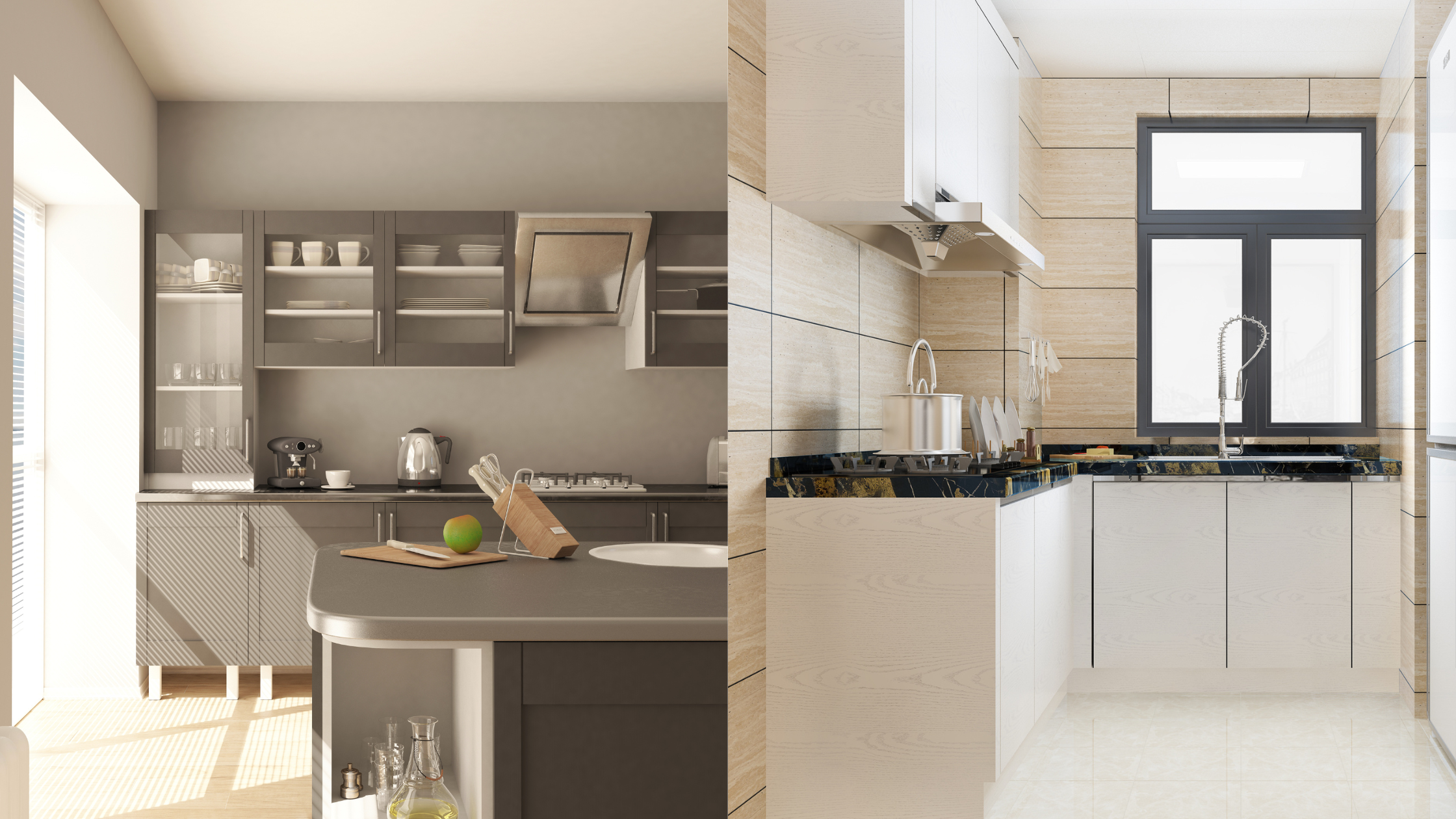
The L-shaped kitchen layout is one of the most common kitchen designs. In this layout, the kitchen counters are placed on two connected walls, forming an “L” shape. This layout works well in small and medium kitchens. It gives enough space to move around and keeps the kitchen open and comfortable.
The L-shaped layout can also leave space for a small dining area or kitchen island. Many homeowners prefer this layout because it creates an efficient work triangle between the stove, sink, and refrigerator. If you want to understand how this layout compares with other designs, you can also read our detailed guide on L-Shaped vs U-Shaped Kitchen to see which modular kitchen layout works best for different homes.
2. U-Shaped Kitchen Layout
The U-shaped kitchen layout uses three walls of cabinets and counters arranged in a “U” shape. This design provides a lot of storage and counter space. It is a good option for larger kitchens and families who cook often.
The layout also divides the kitchen into different areas for cooking, cleaning, and preparation. This makes the kitchen more organized and efficient. For homes that need extra storage and workspace, the U-shaped layout can be one of the best kitchen design choices.
3. Parallel (Galley) Kitchen Layout
The parallel kitchen layout, also called a galley kitchen, has two counters placed opposite each other with a walkway in between. This layout is very common in apartments and smaller homes. It makes cooking easier because everything is within reach.
It also helps separate cooking and cleaning areas on different sides. Many modern modular kitchen design plans use this layout because it saves space and keeps the kitchen organized.
4. Island Kitchen Layout
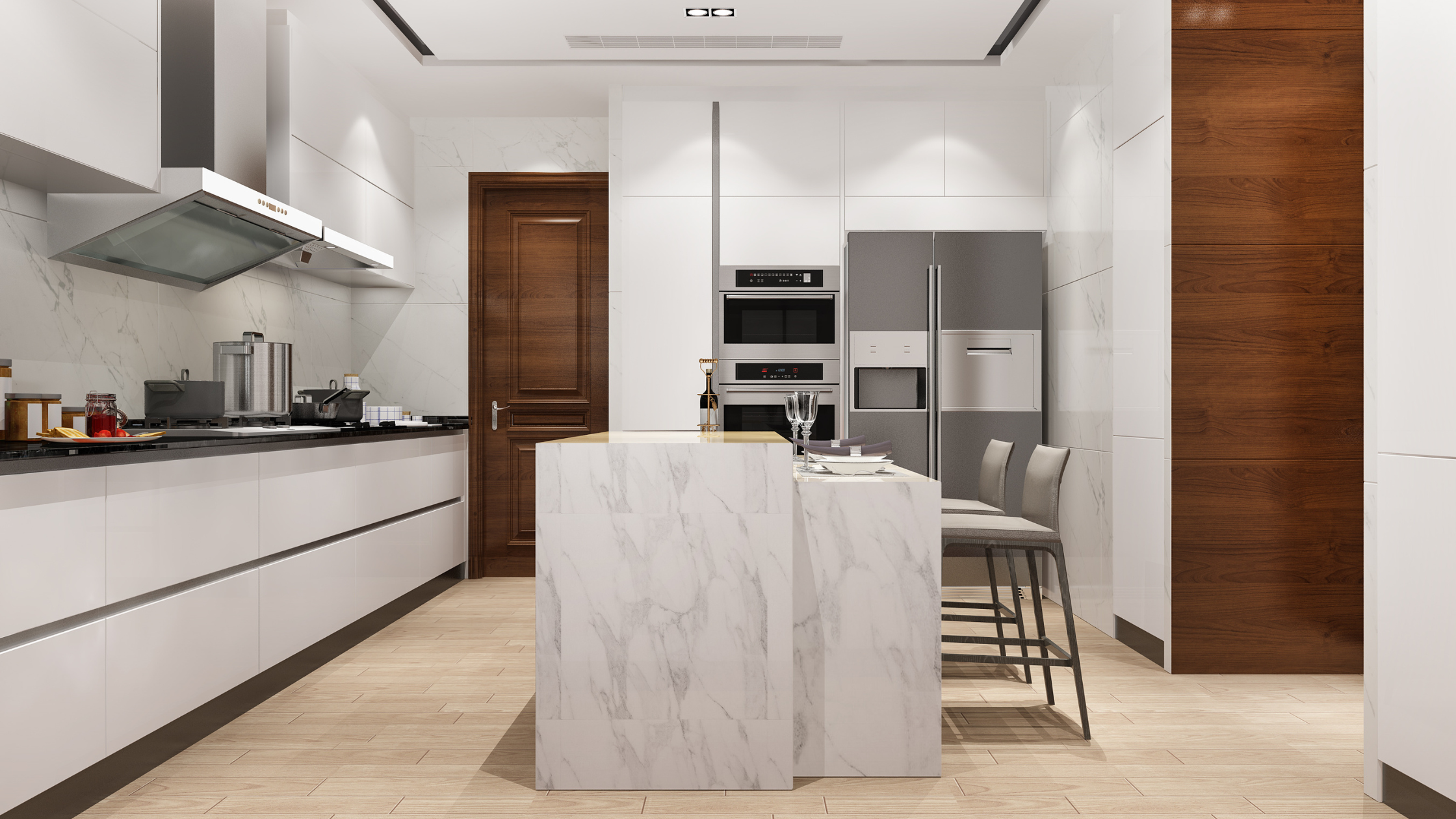
The island kitchen layout is a modern and stylish design. It includes a separate counter or island placed in the center of the kitchen. The island can be used for cooking, food preparation, storage, or even as a small dining area.
This layout also creates a social space where family members can gather while meals are being prepared. Island kitchens work best in large kitchens where there is enough space to move around easily. It is one of the most popular kitchen design ideas in modern homes.
5. Straight Kitchen Layout
The straight kitchen layout, also known as a one-wall kitchen, places all cabinets and appliances along one wall. This layout is often used in studio apartments and small homes. It takes less space but can still be practical when designed well.
Modern modular kitchen design features like pull-out cabinets, wall shelves, and overhead storage help make the most of the available space. If you want a simple and space-saving kitchen, this layout is a good choice.
How to Choose the Right Kitchen Layout
Choosing the right kitchen layout depends on your kitchen size, cooking habits, and storage needs. First, check how much space you have. Small kitchens work better with L-shaped, straight, or parallel layouts. Larger kitchens can easily include island or U-shaped layouts.
You should also think about functionality. A good kitchen design allows easy movement between cooking, cleaning, and storage areas. Good lighting, ventilation, and smart storage are also important. Finally, choose a design that matches your style. Modern kitchen design ideas focus on both beauty and practicality, helping you create a kitchen that works well every day.
Conclusion
The right kitchen layout can make your kitchen more functional and stylish. From simple layouts to spacious island kitchens, the right modular kitchen design can improve storage and efficiency.
For expert advice and modern kitchen design ideas, consulting the best interior designer in Gurgaon can help you create a kitchen that fits your home and lifestyle.
FAQs
1. What is the most popular kitchen layout?
The L-shaped kitchen layout is very popular because it uses space well and allows easy movement in the kitchen.
2. How do I choose the right kitchen layout?
Choose a kitchen layout based on your kitchen size, storage needs, and cooking habits.
3. What is a modular kitchen design?
A modular kitchen design uses ready-made cabinets and units that can be customized to fit your kitchen space.
4. What are some modern kitchen design ideas?
Popular kitchen design ideas include island kitchens, smart storage cabinets, and sleek modular layouts.
When choosing a kitchen for your dream home, two things matter so much apart from how good it looks. They are functional and comfortable. And that’s why so many homeowners focus on choosing a layout that combines style with efficiency. As a result, modern kitchen design has become quite popular.
At Los Espacios, we understand how important it is to create kitchens that are not only visually appealing but also practical for everyday use. Now, when it comes to the layout in modular kitchens, two options are the most popular. These include the L shaped kitchen and the U shaped kitchen. Each has its own pros and cons. If you’re a homeowner going through this famous dilemma, we’ll be comparing the two in this blog.
So, let’s begin.
What is an L-shaped Kitchen?
First of all, anL shaped kitchen layout is designed alongside two adjacent walls that meet at a corner, hence, forming an ‘L’ like shape. As a result, such a layout creates a practical work triangle containing the stove, sink, and refrigerator. Overall, it makes cooking more efficient.
Key Features
Such a layout is well-suited for open-plan homes.
A couple of sides remain open and allow seamless movement
Cabinets and appliances are placed along two perpendicular walls.
Benefits of an L-shaped Kitchen
Makes use of limited space quite efficiently
It makes the kitchen feel less crowded
Carousel units and pull-out cabinets ensure that kitchen corners are utilized
They also integrate well with dining areas
What is a U-shaped Kitchen?
On the other hand, a u shaped kitchen uses three walls and a cabinet run, making a ‘U’ like shape. Basically, it surrounds the cooking area on three sides.
Key Features
Comes with a centralized cooking zone
Storage and preparation spaces are ample
It has countertops and cabinets on three sides
Benefits of a U-shaped Kitchen
More cabinets and storage options
Ideal for people who have to cook frequently
Everything is within easy reach
If you want to maximize the functionality of your kitchen, a u shaped kitchen is a good option.
L-shaped vs U-shaped Kitchen
Feature
L-shaped Kitchen
U-shaped Kitchen
Layout
Two walls forming an ‘L’ shape
Three walls forming a ‘U’ shape
Best for
Suited for small and medium kitchens
Good for large kitchens
Storage
Moderate
High
Workspace
Limited
Larger Workspace
Layout Style
Open and Flexible
Dedicated Cooking Area
Notably, both these layouts are good when it comes to functionality. It is just that they serve different purposes. The L shaped kitchen works wonders for small homes with open layouts, while the U shaped kitchen offers better storage and working space.
Factors to consider while choosing the kitchen layout
Below are some factors that you must take into account while picking one of these options.
Kitchen Size: For smaller kitchens, l shaped kitchens work, while a u shaped kitchen comfortably accommodates large kitchens.
Storage Needs: If you’re looking for more cabinet space, a U shaped kitchen emerges as the better option.
Cooking Frequency: If you cook frequently, the extra workspace provided by aU shaped kitchen will suit you better.
Open or Closed: If you want an open kitchen space, it usually works better with an l shaped kitchen.
As you saw, we can not point at one layout and say that it is the better one. At the end of the day, it all boils down to your specific needs and preferences.
Conclusion
As you saw throughout our blog, it is nearly impossible to choose one outright winner among these two layouts. The best idea is to first figure out your needs and preferences, and make the choice according to them.
So, consider working with experts who can design a customized modular kitchen design that works perfectly for you. If you’re planning a new kitchen or renovating your home, consulting the best interior designer in gurgaon can help you choose the ideal layout and create a space that is both functional and stylish.
FAQs
1. Which layout is better for small kitchens?
For smaller areas, anL shaped kitchen keeps the area open and flexible.
2. Is a u shaped kitchen good for modular kitchens?
Yes, of course. A u shaped kitchen layout
3. Can an L shaped kitchen also include an island?
If the space allows, some L shaped kitchen designs can include a small island or even a breakfast counter, as well.
4. Which of the two layouts is better for a modern kitchen design?
In a nutshell, both layouts suit a modern kitchen design. And your choice should depend on factors like storage and space needs, lifestyle, etc.
The living room is often the most used space in a home. It’s where families relax, guests are welcomed, and everyday moments turn into special memories. While furniture and decor define the overall style, luxury interior lighting plays a crucial role in shaping the atmosphere of the space. The right lighting can instantly elevate your interiors, making the room feel warm, elegant, and inviting.
A thoughtfully planned living room design focuses not only on aesthetics but also on functionality. The right lighting design can highlight decor, create depth, and enhance comfort. If you’re planning to upgrade your space, here’s a guide to help you choose the perfect lighting for a stylish and balanced living room.
1. Use Layered Lighting for Better Balance
A well-designed living room usually includes multiple layers of lighting rather than relying on a single fixture. Layered lighting design ensures the room looks visually appealing while also meeting everyday functional needs.
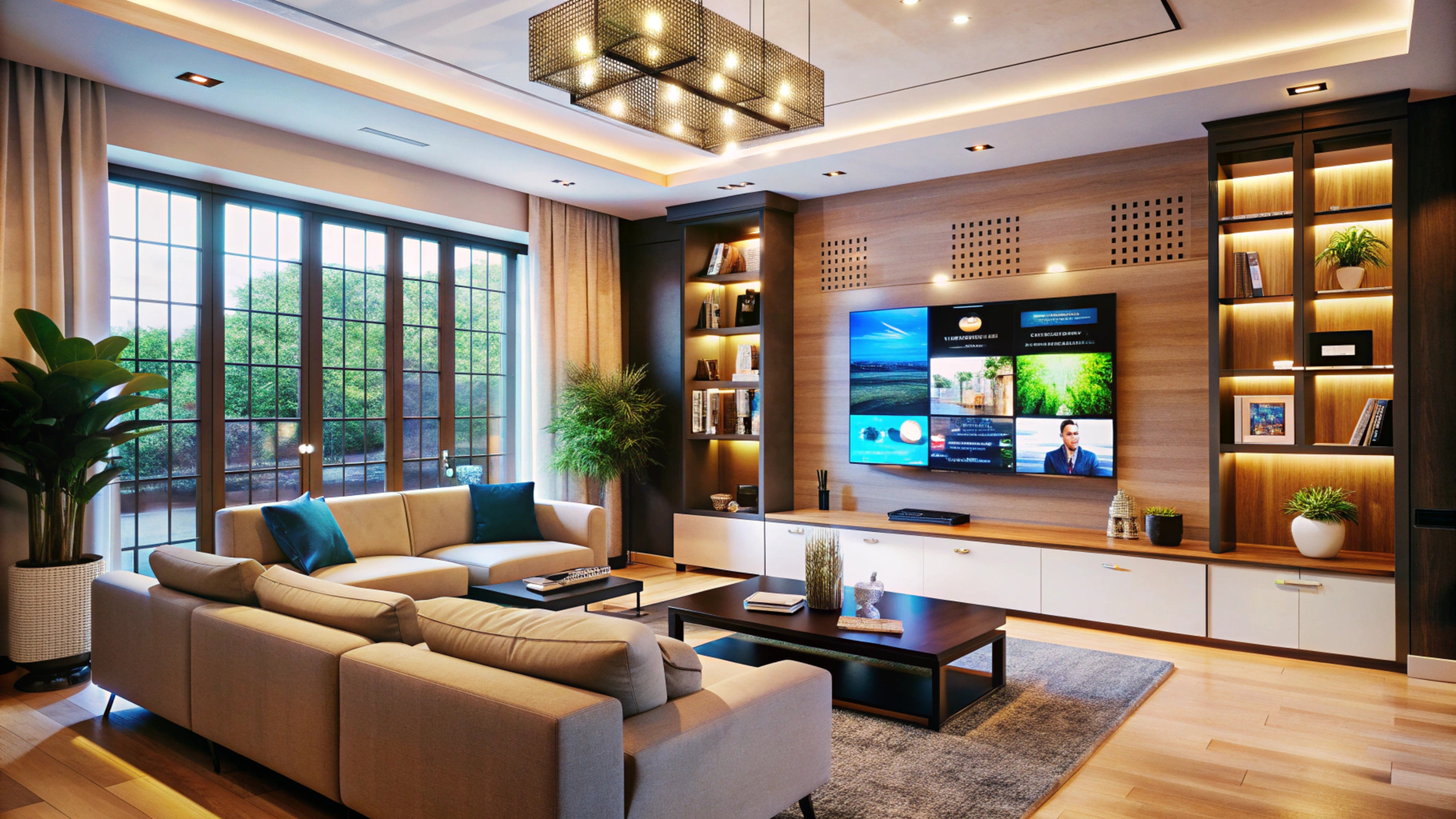
Ambient Lighting Ambient lighting provides overall brightness to the space. Ceiling lights, chandeliers, or recessed lighting are commonly used to illuminate the entire living room.
Task Lighting Task lighting is used for specific activities like reading or working. Floor lamps beside sofas or table lamps near seating areas add practicality to the living room design.
Accent Lighting Accent lighting highlights decorative elements such as artwork, textured walls, or shelves. Wall lights and LED strips are excellent for adding depth and enhancing the overall lighting design.
When these lighting layers are combined effectively, the result is a comfortable and visually appealing living room.
2. Choose a Statement Lighting Fixture
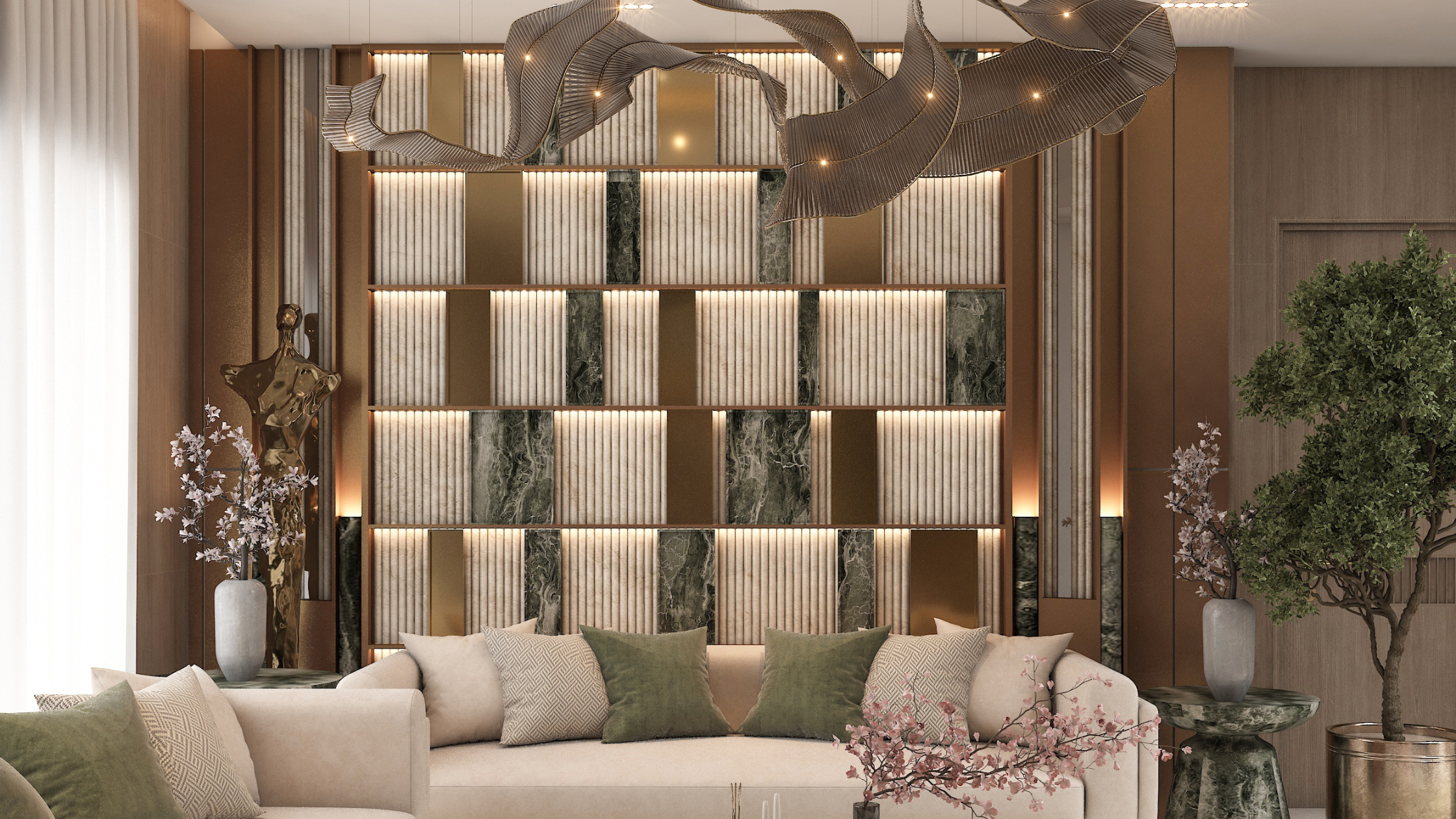
One of the most effective ways to upgrade a living room design is by introducing a statement lighting piece. Chandeliers or designer pendant lights are excellent choices when incorporating luxury lighting.
A modern chandelier above the seating area or a stylish pendant light can become the focal point of your living room. The design should complement your interiors. For example:
Minimal chandeliers work well in modern interiors
Crystal chandeliers suit classic luxury homes
Sculptural pendant lights are ideal for contemporary spaces
A carefully selected statement fixture not only enhances lighting but also adds character and sophistication to the room.
3. Match Lighting with Your Interior Style
Lighting should complement the overall theme of your living room design. Whether your interiors are modern, traditional, or minimalist, the lighting fixtures should blend naturally with the décor.
For example:
Modern living rooms: Sleek fixtures and geometric pendant lights
Classic interiors: Crystal chandeliers and decorative wall lights
Minimal interiors: Concealed lighting and subtle floor lamps
Working with the best interior designers in gurgaon can help ensure that your lighting choices align perfectly with the overall style and layout of your home.
4. Choose Warm Lighting for Comfort
The living room should feel relaxing and welcoming, which makes lighting temperature extremely important.
Warm white lighting (around 2700K–3000K) creates a cozy and inviting atmosphere. It enhances the comfort of your living room design while giving the space a luxurious feel.
Cool white lights are better suited for workspaces or kitchens, but they can feel too harsh in a relaxation area. Many luxury homes also use dimmers so that lighting brightness can be adjusted according to mood or time of day.
Adding dimmers improves the flexibility of your lighting design and helps create the perfect ambience for different occasions.
5. Highlight Architectural Features
Luxury homes often include beautiful architectural details such as textured walls, artwork, decorative panels, or custom shelves. Accent lighting can highlight these elements and make them stand out.
Some popular lighting ideas include:
Wall washers to highlight textured walls
LED strip lighting behind panels or shelves
Spotlights for artwork or decorative pieces
These techniques add depth and elegance to your living room while enhancing the overall lighting design.
6. Balance Natural and Artificial Lighting
Natural light plays a big role in making a living room feel open and refreshing. Large windows, sheer curtains, and glass doors allow sunlight to enhance the space during the day.
However, once the sun sets, artificial lighting should maintain the same warmth and brightness. A balanced combination of chandeliers, wall lights, and floor lamps ensures your living room design looks equally beautiful in the evening.
Final Thoughts
The right lighting can change the entire look of your living room. Using layered lighting design, statement lights, and warm lighting can make the space feel stylish and comfortable.
A good living room design should look beautiful and also feel welcoming. An experienced interior designer in gurgaon can help you choose and place the right lighting so natural and artificial light work well together and make your living room look elegant.
FAQs
1. What type of lighting is best for a living room?
A combination of ambient, task, and accent lighting works best for a living room. Layered lighting improves functionality while enhancing the overall living room design.
2. How do I make my living room lighting look luxurious?
To create a luxurious feel, use luxury lighting fixtures like chandeliers, pendant lights, and decorative wall lights. Warm lighting tones and layered lighting design also help create an elegant ambience.
3. What color lighting is ideal for a living room?
Warm white lighting between 2700K and 3000K is ideal for a living room because it creates a comfortable and relaxing environment.
4. How important is lighting in living room design?
Lighting is a key element of living room design because it affects both aesthetics and functionality. The right lighting design can highlight décor, improve visibility, and enhance the overall atmosphere of the space.
5. Should I hire an interior designer for living room lighting?
Working with professionals like the best interior designers in gurgaon can help you create a well-balanced lighting plan that complements your interiors and improves the overall design of your home.
The current definition of luxury in Delhi NCR has shifted from its previous focus on visual beauty to new requirements which need physical environments to improve both health and calming effects and essential daily health maintenance. Homeowners and businesses are currently searching for interior spaces which will provide them with healing experiences because of the ongoing air-quality problems which exist during the intense summer months and throughout their busy urban activities.
The design method Biophilic Design functions as a primary design option for high-end residential spaces and contemporary office environments because it enables people to experience direct connections with nature, a philosophy embraced by Los Espacios, in its luxury home and office projects across Delhi NCR.
The design of spaces uses biophilic architectural elements which control light and airflow together with biophilicinterior design components which use natural materials and multiple layers of plant life to establish spaces which enhance both health and comfort. The biophilic office design system enables workplaces to enhance their employees’ ability to concentrate while maximizing their workplace experience, which makes it an effective improvement for all high-performance office buildings in Gurgaon, Noida, and Delhi.
Biophilic Design: Bringing Nature into Luxury Homes and Offices in Delhi NCR
Biophilic Design provides Delhi NCR residents with a high-end interior design option which promotes wellness through its special design approach. The design uses daylight together with greenery and natural materials and nature-inspired shapes to create spaces which promote tranquility and health.
The two design areas of biophilic architecture and biophilic interior design work together to create spaces which restore energy while maintaining their top functional performance for residential and commercial spaces.
What is Biophilic Design?
Biophilic design functions as a design method which enhances human connections to natural environments within constructed spaces. The system utilizes nature-inspired design elements which combine natural light and indoor plants and natural materials like wood and stone and organic textures and patterns and outside views to create comfortable spaces that promote user health.
It is useful to distinguish the two related terms:
Biophilic architecture: it establishes building orientation together with its courtyard and shading design and ventilation system and façade construction to create systems that control natural light and thermal conditions and air circulation.
Biophilic interior design: The indoor experience of biophilic interior design uses particular design elements which include building materials and plant placement and lighting design and sound management and nature-based design elements to create a more peaceful and healthier environment.
In luxury settings the biophilic design is most effective when it is integrated as a system and not added as decor at the end.
Why Choose Biophilic Design for Your Luxury Homes & Offices?
Luxurious spaces now require both visual appeal and sensory experience for their assessment. Biophilic design enhances premium environments through its ability to create spaces which people can use throughout time. If someone wants consultation for the same, working with an experienced interior design consultant can help translate these principles into refined, functional, and wellness-driven interiors.
If you’re considering a design consultation, partnering with an experienced interior design consultant can seamlessly translate these biophilic principles into refined, functional, and wellness-driven interiors tailored to your space.
Why it works especially well for high-end spaces
Natural materials create everlasting luxury because they maintain their value throughout time. Daylight-first planning together with softer sensory cues establishes a peaceful environment which people can experience through touch. Nature-led spaces create a premium wellness narrative because they show intentional design and present-day functionality. Workplaces which prioritize comfort create an improved office experience which helps employees stay engaged while they perform their tasks.
Biophilic Design: Home vs Office (quick comparison)
Design goal
Luxury Homes
Luxury Offices
Primary outcome
Calm + restoration
Focus + performance
Best biophilic features
layered greens, soft light, natural textures
daylight + greenery zoning, acoustic comfort
High-impact zones
living, bedrooms, balcony edges
reception, meeting rooms, breakout zones
Why Biophilic Design Matters in Delhi NCR’s Urban Context
The urban setting of Delhi NCR proves that biophilic spaces need to be implemented because dense neighborhoods and limited daily access to green space and extreme heat and seasonal air pollution problems create a demanding situation. The city environment needs interior spaces which provide people with a peaceful retreat. IQAir’s worldwide PM2.5 reporting has raised air quality awareness among premium homebuyers and corporate decision-makers who use this information to make important choices.
Addressing Pollution and Climate Challenges with Nature-Inspired Solutions
The biophilic design approach creates indoor spaces that feel healthier because it improves comfort and reduces harsh sensory stress while people connect with nature through three design elements:
Daylight strategy + glare control (soft, consistent light)
Green zoning (placing plants where people spend the most time)
Material selection (stone/wood/lime textures that feel grounded and premium)
Key Benefits of Biophilic Design in Luxury Homes and Offices
The visual appeal of biophilic design produces positive results which scientists can measure in work environments. A widely cited global study summary (“Human Spaces”) reports that employees in environments with natural elements report: +15% higher well-being, +6% higher productivity, and +15% higher creativity. Research studies examine the ways biophilic features help people achieve better health results through their ability to decrease stress levels and restore attention spans.
Benefits
Well-being uplift: 15% reported well-being in greener workplace
Stress relief: nature cues can support psychological restoration
Higher perceived value (luxury homes): wellness-driven interiors are increasingly seen as premium
Stronger workplace brand: biophilic office design improve experience for teams and visitor
The checklist for required items includes essential points
The space needs both soft daylighting and three types of light which include ambient light and task light and accent light. The space requires greenery to be placed in all main activity areas instead of just the corner spaces. The design includes natural textures through stone and wood and lime materials together with warm neutral colors. The maintenance plan requires proper cleaning to maintain plant appearance as luxurious instead of messy.
Biophilic Design Trends in Luxury Homes and Offices in Delhi NCR
The NCR market shows how biophilic design creates calming and breathable residential spaces which make it a preferred choice for high-end residential developments. The following trends currently show successful performance in the luxury residential and commercial office spaces of Delhi NCR.
The premium spaces use one main green wall which protects their home entryway and two-story living areas and their office reception space and brand display walls. The space design maintains a pristine appearance which matches high-end standards while delivering an impactful visual experience.
2) “Indoor jungle” corners (layered planting)
The curated cluster combines one tall plant with mid-height greens and tabletop accents to create a space that achieves depth without creating visual clutter.
3) Sustainable materials with premium finish
The combination of stone textures, wood veneers, natural fabrics and soft earthy palettes creates a space that exudes quiet luxury.
4) Wellness-aligned design conversations
WELL includes biophilia-focused features which demonstrate the formal recognition of nature connection in spaces designed for wellness within interior design.
5) Hybrid office comfort zones
The present-day NCR offices of modern times implement additional peaceful breakout areas plus workspaces that receive natural light which serves as the ideal environment for biophilic office design implementation.
Conclusion
Biophilic Design has become an essential element which defines luxury residential areas and contemporary office spaces throughout Delhi NCR because it provides essential comfort and wellbeing and tranquility and enduring beauty which today’s high-end customers desire.
By using biophilic architectural techniques which include daylight and air movement and climate-sensitive building design together with biophilic interior design elements which consist of various materials and indoor plants and nature-inspired patterns you can create spaces which provide healing for residential areas and enhance concentration and sensory experiences in office environments, , especially when these principles are carefully planned with the guidance of an experienced interior designer in Gurgaon.
Research studies demonstrate that nature-rich work environments lead to better employee well-being and increased work performance and enhanced creative thinking abilities which make biophilic office design a modern solution that fits future workplace requirements.
FAQs
1.How does Biophilic architecture differ from Biophilic interior design?
Biophilic architecture establishes building design principles which include orientation and ventilation systems and courtyard spaces and shading elements. Biophilic interior design creates indoor experiences through its choice of materials and plant installations and lighting design and sensory comfort elements.
2.How can Biophilic office design improve workplace productivity in Delhi NCR?
Research shows that natural elements in work environments result in productivity gains of 6% and creativity improvements of 15% and well-being enhancements of 15%.
3.Which indoor plants work best for Biophilic Design in Delhi NCR’s polluted climate?
The indoor plants that need basic care and leaf cleaning during dusty periods include Hardy options such as snake plant and areca palm and spider plant and peace lily and aloe vera.
4.Can Biophilic Design help with Delhi NCR’s air pollution and extreme weather?
The improved daylight planning system together with spatial cues which create tranquility and interior design elements that incorporate natural materials and plants leads to more comfortable and restorative indoor environments.
The residents of Delhi NCR use their time-saving methods to handle home renovation work and interior design projects. The popularity of turnkey interior projects has grown because they offer an efficient solution that saves time and eliminates project difficulties. Homeowners who choose turnkey interior design receive a complete home solution which allows them to move in without handling multiple vendors, contractors and project tasks.
This provides complete information about turnkey interior projects which includes fundamental knowledge of common advantages and their differences with traditional interior design methods. The Delhi NCR home renovation project is best served by this solution which you should consider for your home makeover.
What Are Turnkey Interior Projects?
The complete interior turnkey project provides one service that controls all steps needed to change a space through its single provider. The process starts with design development, material choice and continues through procurement and project implementation until everything is completely furnished. The term “turn the key” signifies that the project is fully completed and ready for the homeowner to move in, without the need for any additional work.
Homeowners who need interior design services must hire different designers, contractors and vendors for their various tasks which creates a traditional design process. The project provides an efficient experience because it establishes a single contact person who manages all project activities.
Key Features of Turnkey Projects:
Single provider for the entire project
Full management from design to completion
Ready-to-move-in, fully furnished spaces
Time-saving and hassle-free for homeowners
How Do Turnkey Interior Projects Work?
The section provides an organized presentation of the complete workflow process which explains the different stages that make up turnkey interior projects. The process begins with an Initial Consultation and Requirement Gathering session with our experienced interior design consultant, followed by detailed Design Planning and 3D Visualization to bring your vision to life. The process continues with material selection and procurement work and vendor coordination activities. The process includes execution work and civil construction activities and management of the construction site. The process ends with Final Styling, Furnishing and Handover activities.
Initial Consultation and Requirement Gathering
The turnkey provider works together with the homeowner during this phase to gather information about their preferred choices and required solutions and their financial limits. The designer and client relationship will achieve complete compatibility through this process. The project boundaries establish the foundation for developing a customized solution which will meet specific requirements.
Design Planning and 3D Visualization
The provider begins space design work after it has completed requirements gathering. The client uses 3D visualization tools to view the entire design which represents the design’s actual appearance. The stage provides a time period when project changes can occur before work begins.
Material Selection, Procurement and Vendor Coordination
The material selection process begins after the design work has been finished. The turnkey provider handles all procurement processes by choosing premium materials and coordinating delivery times with suppliers.
Execution, Civil Work, and On-Site Management
The construction work changes the physical space of the building. The contractors who have established their trustworthiness will carry out civil work operations which involve plumbing, electrical installation and carpentry work. The turnkey provider manages all project aspects while maintaining quality standards and meeting project deadlines.
Final Styling, Furnishing, and Handover
The space will be designed and decorated through its complete collection of design elements after civil work reaches its final stage. The process involves bringing in all decorative elements along with furniture and lighting fixtures and completing all remaining work. The home becomes fully operational for the homeowner after the last construction work ends.
Key Benefits of Choosing Turnkey Interior Design for Your Delhi NCR Home
Time-Saving: Turnkey projects provide Delhi NCR professionals with time-saving benefits because they manage all project tasks from design through execution at a single location.
Single Point of Accountability: The project becomes more manageable because one provider handles all tasks which eliminates the need to work with multiple vendors who create confusion and miscommunication problems.
Budget Control: The planned budget of a turnkey project enables better financial control because all expenses become known at the beginning and no additional costs must be paid later.
Stress-Free Experience: All the needs of the homeowners are thereby taken care of by the experts based on their management plan.
Better Quality: Turnkey providers establish partnerships with reliable suppliers and contractors, which results in the delivery of superior materials and finishing products.
Customization: While the Turnkey Projects are based on solid project delivery; clients still possess a convenient opportunity to customize what exactly works for them.
Turnkey Projects VS Traditional Interior Design: Which Is Better for You?
Factor
Turnkey Projects
Traditional Interior Design
Convenience
Single provider for everything, hassle-free
Multiple vendors and contractors to manage
Time Investment
Quick and efficient, all phases handled
Time-consuming due to multiple steps
Cost Management
Fixed budget with fewer unexpected costs
Costs can vary, depending on individual contractors
Customization
Fully customizable within a set package
High level of customization but may involve more effort
Accountability
One point of contact
Multiple points of contact, may lead to confusion
Project Management
Managed by a professional team from start to finish
Homeowners in Delhi NCR face unique challenges when it comes to home renovations. The process of renovation becomes difficult because of three factors which include traffic, dust and vendor unreliability and the rules established by apartment societies. Turnkey projects provide solutions for these challenges which enable contractors to follow a complete process while decreasing the requirement for constant work monitoring and assembly interruptions.
Homeowners in Delhi NCR search for efficient solutions which maintain their daily routines because of the area’s fast-paced life. The turnkey interior design system enables homeowners to move into their renovated homes without any difficulties which makes it the ideal solution for residents of this area.
Tips for Selecting the Best Turnkey Interior Provider in Delhi NCR
When selecting a turnkey provider, keep these tips in mind:
Portfolio Evaluation: Assess the provider’s design abilities through their completed projects.
Customer Reviews: Positive customer testimonies boost the service provider’s credibility and ability to provide quality services.
NCR Experience: The provider needs to have knowledge about local market conditions and its associated difficulties.
Transparency: The provider must deliver comprehensive information on the schedule for being set up, including all the related detailed cost, expense details, and differing procurement conditions and deliverable items.
Warranty/After-Sales Service: Hence, prior to launching any project, you can develop a well-documented feasibility study to offer financial sustenance to the project.
Site Visits: He needs to view the site from time to time as the work progresses and after its completion.
Red Flags: Providers who do not explain their operational procedures and project timelines and financial requirements should be avoided.
Conclusion
Homeowners in Delhi NCR who want to renovate their spaces can use turnkey interior projects which create an efficient and hassle-free solution. The single provider system enables you to save time and decrease stress while achieving a beautifully renovated home through complete process management. The busy professional and the person who seeks an easier renovation process both benefit from turnkey solutions which deliver convenience and high-quality results.
Frequently Asked Questions
What are turnkey interior projects?
Turnkey interior projects involve complete service delivery which starts with design work and ends with construction completion to deliver an entire space that is fully furnished and ready for occupancy.
How does a turnkey interior project differ from traditional interior work?
Turnkey projects provide a single service provider who handles all project requirements while traditional work needs several contractors and vendors to complete different tasks.
Is turnkey interior design more expensive than hiring separate contractors?
Turnkey design solutions typically provide cost-effective options because they purchase materials in bulk and handle projects with efficient management; this approach leads to long-term financial savings.
How long does typical turnkey interior project takes in Delhi NCR?
The typical completion time for a turnkey project range from 2 to 3 month but actual project duration depends on both project size and specific requirement.
What is included in a turnkey interior package?
A turnkey package provides design services together with material selection process and procurement needs and civil work requirements and furnishing tasks and final styling work.
Can mid-project changes be made in a turnkey interior design?
Design changes can occur during projects but design teams should complete their designs before project work starts to prevent project delays and extra costs.
The 2026 homes in Gurgaon will transform from their current state of show-home luxury to create purposeful spaces that tell stories while maintaining technological comfort and wellness design elements. The residents of Gurgaon who are looking for interior designers, interior design services and personalized interior designs need warm future-ready designs which create an atmosphere of comfort and permanent presence instead of designing cold minimal spaces. The eight present interior design trends of 2026 together with Gurgaon’s changing lifestyle patterns define the city’s residential approach to living.
Why Gurgaon is Leading the 2026 Interior Design Revolution
The development of Gurgaon as a Millennium City which features high-rise condominiums and business districts and youthful residents who strive for success all lead to the creation of smarter and more peaceful and interactive interior environments. The typical resident juggles demanding work schedules, hybrid work and social life so homes now need to be multi-functional sanctuaries that reduce stress while still looking sophisticated. Homeowners now demand more than basic luxury because their understanding of sustainability and wellness has increased. They want eco-friendly materials, superior indoor air quality and natural elements and architectural designs that showcase their personal style and daily activities. Local studios, led by interior designers in Gurgaon, create design solutions which combine techno-organic principles with biophilic planning and handcrafted details that create a unique identity for Gurgaon instead of using generic design elements.
The Top 8 Trends to Watch
1. Sustainable and Eco-Friendly Interiors
The 2026 homes of Gurgaon now view sustainability as their essential standard which began as a temporary trend. Residents are increasingly choosing durable materials, low-VOC finishes, and environmentally sustainable products which provide long-lasting value. The design approach emphasizes high-quality furniture instead of using fast furniture and throwaway decor because these items maintain their value through time while decreasing the need for replacements.
The following sustainable practices show effective practical implementation:
Using low- or no-VOC paints and polishes for healthier interiors.
Building with solid wood, bamboo, metal, and stone materials which last longer than synthetic materials.
The design approach uses traditional materials (cane, terracotta, natural fabrics) which match local climate conditions to minimize need for heavy air-conditioning.
2. Biophilic Design 2.0
Gurgaon’s biophilia program now enters its second stage which establishes nature as a core design element for all architectural and interior spaces. The residents of tall buildings need access to natural light and green spaces for their daily life. Home environments, guided by an interior design consultant, now use multiple natural elements which create peaceful spaces that support better health than traditional potted plants.
Biophilic Design 2.0 often includes:
Vertical gardens or slim living walls that work on balconies, double-height spaces, or feature walls.
Natural textures like cane, rattan, linen, jute, cork, or stone cladding on walls and furniture.
Daylight enters through windows which designers use with sheer drapes and mirrors and light-toned finishes to create maximum sunlight.
3. Japandi Maximalism
The current design direction of Gurgaon results in a style evolution which combines Japanese Scandinavian design’s serene practical design elements with multiple layers of colors, objects and textures. Homeowners nowadays want their spaces to look curated and personal yet maintain an uncluttered and peaceful atmosphere instead of selecting empty and stark rooms.
Japandi maximalism exhibits these fundamental characteristics:
The design uses furniture with clean lines and simple shapes to create its basic structure.
The room displays textiles and ceramics and books and plants and essential decorative items which create a narrative through their arrangement.
The design uses warm neutrals and coffee colors and muted greens and rust together with selected vibrant colors to create a rich palette which remains controlled.
4. Smart Kitchens and Techno-Organic Living
The 2026 architecture of Gurgaon residences combines hidden technological elements with natural material finishes to produce interior spaces which people refer to as “techno-organic” designs. The home spaces which include kitchens and living rooms now function as main control centers for home activities which include cooking, remote work, entertaining, and family time while maintaining their inviting atmosphere.
Techno-organic design includes these typical elements:
Smart lighting systems provide pre-set lighting scenes which users can control through apps or voice commands to create specific environments for cooking, dining, work and relaxation.
The kitchen design includes concealed appliances with organized storage systems, soft-close hardware, and built-in charging stations for convenient use.
The combination of a wood veneers, stone and textured laminates with soft fabrics creates a natural surface which reduces the visual impact of technology and digital display.
5. Warm Earthy Palettes and Coffee Hues
The all-white, cool-grey aesthetic is giving way to richer, earthier colour stories across Gurgaon’s 2026 projects. The combination of coffee-inspired shades and natural grounding colours establishes an inviting warm atmosphere which enhances the experience of both small apartments and spacious villas.
Here is a simple colour guide you can use:
Element
Suggested 2026 Palette Direction
Main walls
Warm beige, greige, or light taupe
Accent walls / panelling
Terracotta, cocoa, deep tan, or clay
Wood & joinery
Mid-tone oak, teak, or walnut finishes
Sofas & soft furnishings
Latte, mocha, rust, olive, charcoal, cream
6. Textural and Tactile Comfort
The design of Gurgaon interiors in 2026 creates environments that people should experience through their senses instead of viewing through their eyes. The demand for tactile comfort has become a vital requirement because people now spend extended periods inside their homes. The space design uses smooth tiles and flat walls together with textured elements to create an environment that feels like a protective cocoon instead of an empty space or clinical area.
Textural elements can be added through these effective methods:
The TV units and bed back walls and wardrobes and kitchen islands use fluted or ribbed panels as decorative elements.
The design uses multiple textile layers which include rugs that go over tiles and linen or cotton curtains and upholstered headboards and cushions made from different fabric weaves.
The design team creates visual and tactile differences for each area by combining matte metals with glass and stone and fabrics.
7. Multifunctional and Acoustic Spaces
Gurgaon’s apartments and townhouses now regularly host work calls, children’s classes, workouts, and entertainment-all under one roof. The architectural design for 2026 needs to focus on two essential elements which include spaces that serve multiple functions and spaces that provide sound insulation. Interior design focuses on zoning and flexibility rather than rigid, single-use rooms.
Key strategies:
The design using broken-plan layouts divides spaces through the use of different partitioning methods which include glass sliders and screens and furniture arrangement.
The room uses acoustic elements which include upholstered walls and heavy drapes and rugs and acoustic panels to block both external and internal sound from reaching the space.
The space uses convertible furniture which consists of sofa beds and extendable dining tables and fold-down desks to support multiple functions throughout the day.
8. Artisan Craftsmanship and Grandmillennial Vibes
Gurgaon residents are rediscovering handcrafted elements which bring back a soft nostalgic style to their modern modular systems. The “grandmillennial” style focuses on character and comfort and heritage rather than decorative elements that demonstrate wealth.
The show will feature:
The display includes handcrafted Indian items which include carved consoles inlay work and cane or wicker furniture and handwoven rugs and pottery and block-printed textiles.
Modern earthy and coffee tones are used to paint classic details which include panelling and wainscoting and mouldings.
The space displays books and art and family memorabilia and travel souvenirs which have been arranged with care to avoid creating a cluttered appearance.
Easy Ways to Bring These Trends into Your Gurgaon Home
You do not need a full-scale renovation to tap into these 2026 trends because small smart changes can create major improvements for rented apartments. The budgeting process should start with you selecting elements which visitors will see most and touch most.
The following steps are budget-friendly and simple to execute:
Key areas (living room, dining, bedroom back wall) should be repainted in warm neutrals or coffee hues together with installation of warm lighting fixtures.
Biophilic elements can be added through installation of easy-to-maintain plants and a small vertical garden and multiple planters which will be placed on the balcony.
The space should be decorated with rugs and cushions and curtains and bedcovers which will be combined with a fluted or textured panel that will be installed on one prominent wall.
The addition of one or two handcrafted pieces per room which includes a cane chair and a carved side table and a handwoven dhurrie will create instant character in the space.
Why hiring an interior designer in Gurgaon helps:
The local designer possesses knowledge of building regulations and illumination requirements and typical floor layouts used in Gurgaon’s residential society and condominium projects. The design studio Los Espacios focuses on developing residential spaces through their work in interior design and kitchen design and complete project delivery which results in designs that combine aesthetic appeal with budget-friendly and maintenance-friendly functionality. The design process brings together Vastu preferences, storage requirements, smart technology, aesthetic design elements and financial constraints to create a unified architectural solution which avoids using separate items purchased from different stores.
Learning from Gurgaon’s Design Landscape
The design landscape of Gurgaon shows a distinct shift toward “mindful luxury” which produces residences that offer both extravagant comfort and daily useability. The main design studios of the city demonstrate their technological advancement through Biophilia 2.0 and techno – organic living and warm maximalism and zoning concepts which support the city’s dual focus on technological development and residents’ physical and mental health.
The design of Los Espacios establishes natural harmony with its environment through its dedication to practical building design which uses space and materials efficiently while creating fashionable interior spaces. The studio possesses experience in designing various residential spaces which include flats and duplexes and bungalows and villas while it specializes in creating modular kitchen systems and integrated storage solutions which enable the studio to develop custom home designs for Gurgaon clients based on the design trends of 2026.
Conclusion:
The eight primary design principles that shape Gurgaon’s interior spaces in 2026 include sustainability, Biophilia 2.0, Japandi-influenced warmth, techno-organic smart living, earthy coffee palettes, tactile comfort, multifunctional planning, and a renewed love for artisan craft. The combination of these trends creates homes that provide residents with both intelligent space design and emotional comfort which perfectly suits the needs of a city that requires both active work and restorative environments. The interior designer services from Los Espacios provide experienced designers for your Gurgaon project who will create personalized solutions according to your apartment requirements and lifestyle choices and budget needs while maintaining a contemporary yet timeless design for your home.
FAQ on 2026 Interior Design Trend in Gurgaon
What is the biggest interior design trend in Gurgaon for 2026? The main change that has occurred in design shows a preference for warm minimalism which creates tidy spaces that display various textures and natural elements and individual character instead of showing vacant and lifeless areas.
Is sustainable design practical for Gurgaon apartments in 2026? The selection of low-VOC paints together with energy-efficient lighting and durable modular furniture and selected climate-appropriate natural materials performs effectively in small high-rise apartments.
How important is biophilic design for homes in Gurgaon? The biophilic elements of plants and natural textures together with good daylighting, provide indoor spaces with their glass and concrete structures, which create an environment that enhances comfort, focus and well-being.
Is Vastu still relevant in 2026 design trends? Homeowners today continue to choose Vastu-based home designs as their preferred option because designers create spaces through Vastu placement methods to maintain contemporary design with minimal visual disorder.What about smart home features – are they overkill for Gurgaon? The smart features which modern technology now uses as standard practice already existed as excessive usage in earlier times. The smart automated systems which control lighting security and climate control together with kitchen functions bring better convenience and efficiency to Gurgaon homes because they create permanent value.