5 Popular Kitchen Layouts and How to Choose the Right One

A well-planned kitchen layout helps make your kitchen organized, functional, and attractive. Whether you are building a new kitchen or renovating an old one, choosing the right kitchen design can improve your cooking experience and the overall look of your home.

Today, many homes prefer smart modular kitchen design solutions. These kitchens combine style with practicality. From small apartments to large homes, the right kitchen layout ideas can help you save space, improve workflow, and add more storage.

In this blog, we will look at five popular kitchen layouts and help you choose the best kitchen design for your home. As a leading interior designer, Los Espacios also helps homeowners create stylish and functional modular kitchens for modern living.

1. L-Shaped Kitchen Layout

The L-shaped kitchen layout is one of the most common kitchen designs. In this layout, the kitchen counters are placed on two connected walls, forming an “L” shape. This layout works well in small and medium kitchens. It gives enough space to move around and keeps the kitchen open and comfortable.

The L-shaped layout can also leave space for a small dining area or kitchen island. Many homeowners prefer this layout because it creates an efficient work triangle between the stove, sink, and refrigerator. If you want to understand how this layout compares with other designs, you can also read our detailed guide on L-Shaped vs U-Shaped Kitchen to see which modular kitchen layout works best for different homes.

2. U-Shaped Kitchen Layout

The U-shaped kitchen layout uses three walls of cabinets and counters arranged in a “U” shape. This design provides a lot of storage and counter space. It is a good option for larger kitchens and families who cook often.

The layout also divides the kitchen into different areas for cooking, cleaning, and preparation. This makes the kitchen more organized and efficient. For homes that need extra storage and workspace, the U-shaped layout can be one of the best kitchen design choices.

3. Parallel (Galley) Kitchen Layout

The parallel kitchen layout, also called a galley kitchen, has two counters placed opposite each other with a walkway in between. This layout is very common in apartments and smaller homes. It makes cooking easier because everything is within reach.

It also helps separate cooking and cleaning areas on different sides. Many modern modular kitchen design plans use this layout because it saves space and keeps the kitchen organized.

4. Island Kitchen Layout

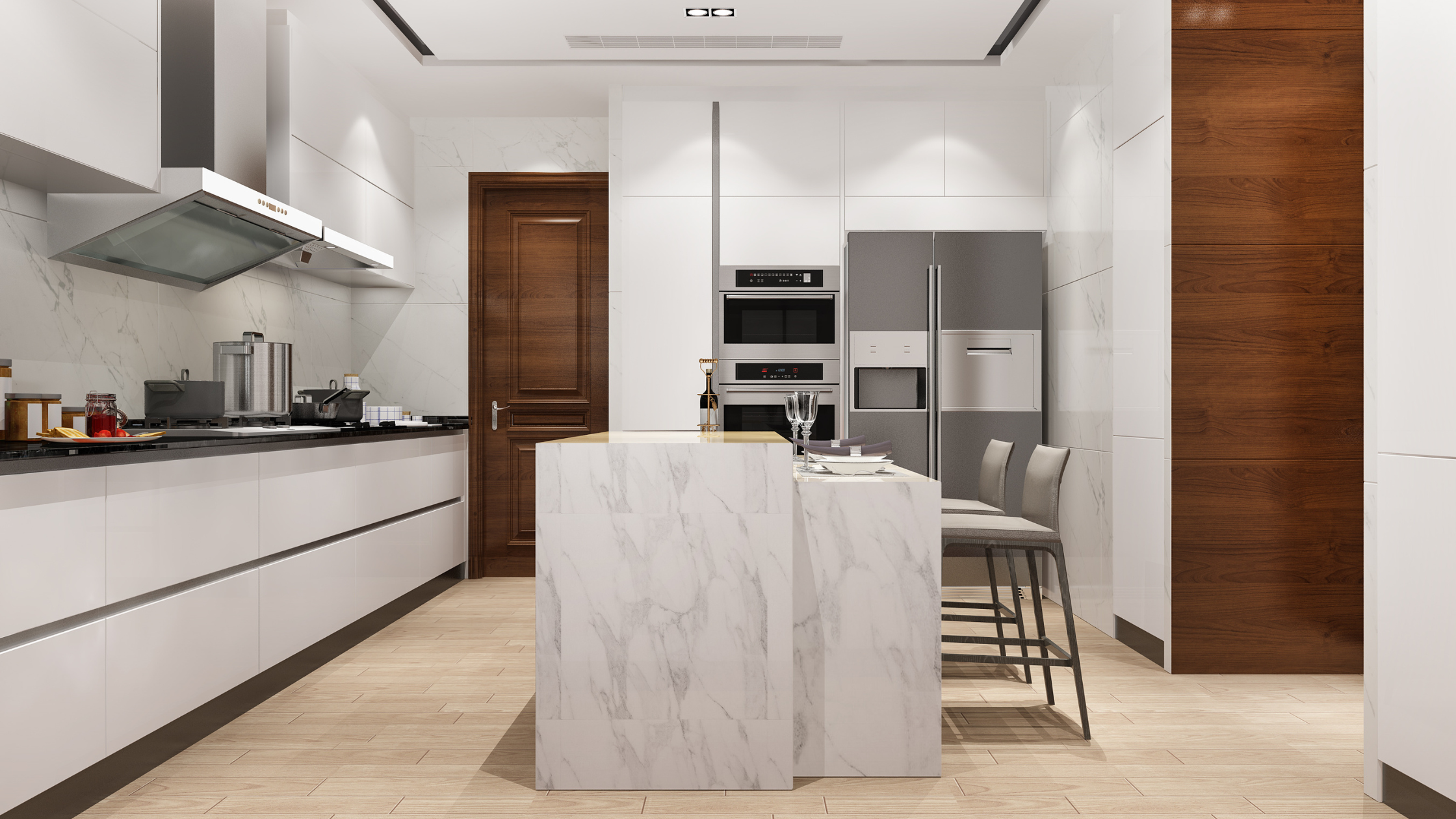
The island kitchen layout is a modern and stylish design. It includes a separate counter or island placed in the center of the kitchen. The island can be used for cooking, food preparation, storage, or even as a small dining area.

This layout also creates a social space where family members can gather while meals are being prepared. Island kitchens work best in large kitchens where there is enough space to move around easily. It is one of the most popular kitchen design ideas in modern homes.

5. Straight Kitchen Layout

The straight kitchen layout, also known as a one-wall kitchen, places all cabinets and appliances along one wall. This layout is often used in studio apartments and small homes. It takes less space but can still be practical when designed well.

Modern modular kitchen design features like pull-out cabinets, wall shelves, and overhead storage help make the most of the available space. If you want a simple and space-saving kitchen, this layout is a good choice.

How to Choose the Right Kitchen Layout

Choosing the right kitchen layout depends on your kitchen size, cooking habits, and storage needs. First, check how much space you have. Small kitchens work better with L-shaped, straight, or parallel layouts. Larger kitchens can easily include island or U-shaped layouts.

You should also think about functionality. A good kitchen design allows easy movement between cooking, cleaning, and storage areas. Good lighting, ventilation, and smart storage are also important. Finally, choose a design that matches your style. Modern kitchen design ideas focus on both beauty and practicality, helping you create a kitchen that works well every day.

Conclusion

The right kitchen layout can make your kitchen more functional and stylish. From simple layouts to spacious island kitchens, the right modular kitchen design can improve storage and efficiency.

For expert advice and modern kitchen design ideas, consulting the best interior designer in Gurgaon can help you create a kitchen that fits your home and lifestyle.

FAQs

1. What is the most popular kitchen layout? 

The L-shaped kitchen layout is very popular because it uses space well and allows easy movement in the kitchen.

2. How do I choose the right kitchen layout? 

Choose a kitchen layout based on your kitchen size, storage needs, and cooking habits.

3. What is a modular kitchen design? 

A modular kitchen design uses ready-made cabinets and units that can be customized to fit your kitchen space.

4. What are some modern kitchen design ideas? 

Popular kitchen design ideas include island kitchens, smart storage cabinets, and sleek modular layouts.
L-Shaped vs U-Shaped Kitchen Design – Which is Better?

When choosing a kitchen for your dream home, two things matter so much apart from how good it looks. They are functional and comfortable. And that’s why so many homeowners focus on choosing a layout that combines style with efficiency. As a result, modern kitchen design has become quite popular. 

At Los Espacios, we understand how important it is to create kitchens that are not only visually appealing but also practical for everyday use. Now, when it comes to the layout in modular kitchens, two options are the most popular. These include the L shaped kitchen and the U shaped kitchen. Each has its own pros and cons. If you’re a homeowner going through this famous dilemma, we’ll be comparing the two in this blog. 

So, let’s begin. 

What is an L-shaped Kitchen? 

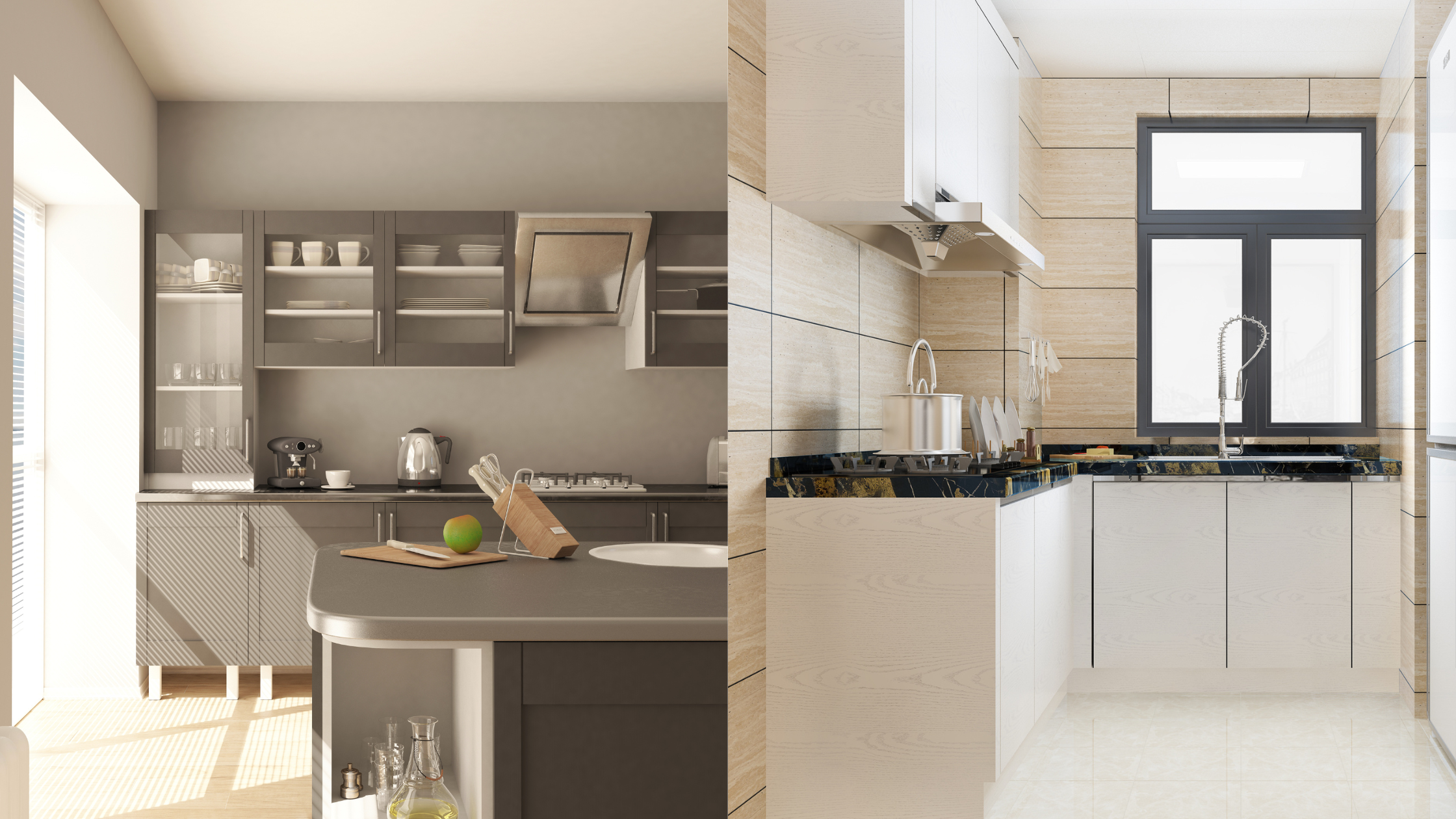
First of all, an L shaped kitchen layout is designed alongside two adjacent walls that meet at a corner, hence, forming an ‘L’ like shape. As a result, such a layout creates a practical work triangle containing the stove, sink, and refrigerator. Overall, it makes cooking more efficient. 

Key Features   

  • Such a layout is well-suited for open-plan homes. 
  • A couple of sides remain open and allow seamless movement 
  • Cabinets and appliances are placed along two perpendicular walls. 

Benefits of an L-shaped Kitchen 

  • Makes use of limited space quite efficiently 
  • It makes the kitchen feel less crowded 
  • Carousel units and pull-out cabinets ensure that kitchen corners are utilized 
  • They also integrate well with dining areas 

What is a U-shaped Kitchen? 

On the other hand, a u shaped kitchen uses three walls and a cabinet run, making a ‘U’ like shape. Basically, it surrounds the cooking area on three sides. 

Key Features 

  • Comes with a centralized cooking zone 
  • Storage and preparation spaces are ample 
  • It has countertops and cabinets on three sides 

Benefits of a U-shaped Kitchen 

  • More cabinets and storage options 
  • Ideal for people who have to cook frequently 
  • Everything is within easy reach 

If you want to maximize the functionality of your kitchen, a u shaped kitchen is a good option. 

L-shaped vs U-shaped Kitchen 

Feature L-shaped KitchenU-shaped Kitchen
LayoutTwo walls forming an ‘L’ shapeThree walls forming a ‘U’ shape
Best forSuited for small and medium kitchensGood for large kitchens
StorageModerateHigh
WorkspaceLimitedLarger Workspace
Layout StyleOpen and FlexibleDedicated Cooking Area

Notably, both these layouts are good when it comes to functionality. It is just that they serve different purposes. The L shaped kitchen works wonders for small homes with open layouts, while the U shaped kitchen offers better storage and working space. 

Factors to consider while choosing the kitchen layout 

Below are some factors that you must take into account while picking one of these options. 

  • Kitchen Size: For smaller kitchens, l shaped kitchens work, while a u shaped kitchen comfortably accommodates large kitchens. 
  • Storage Needs: If you’re looking for more cabinet space, a U shaped kitchen emerges as the better option. 
  • Cooking Frequency: If you cook frequently, the extra workspace provided by a U shaped kitchen will suit you better. 
  • Open or Closed: If you want an open kitchen space, it usually works better with an l shaped kitchen. 

As you saw, we can not point at one layout and say that it is the better one. At the end of the day, it all boils down to your specific needs and preferences. 

Conclusion

As you saw throughout our blog, it is nearly impossible to choose one outright winner among these two layouts. The best idea is to first figure out your needs and preferences, and make the choice according to them. 

So, consider working with experts who can design a customized modular kitchen design that works perfectly for you. If you’re planning a new kitchen or renovating your home, consulting the best interior designer in gurgaon can help you choose the ideal layout and create a space that is both functional and stylish.

FAQs 

1. Which layout is better for small kitchens? 

For smaller areas, an L shaped kitchen keeps the area open and flexible. 

2. Is a u shaped kitchen good for modular kitchens? 

Yes, of course. A u shaped kitchen layout  

3. Can an L shaped kitchen also include an island? 

If the space allows, some L shaped kitchen designs can include a small island or even a breakfast counter, as well. 

4. Which of the two layouts is better for a modern kitchen design? 

In a nutshell, both layouts suit a modern kitchen design. And your choice should depend on factors like storage and space needs, lifestyle, etc. 

How to Choose the Perfect Luxury Interior Lighting for Your Living Room

The living room is often the most used space in a home. It’s where families relax, guests are welcomed, and everyday moments turn into special memories. While furniture and decor define the overall style, luxury interior lighting plays a crucial role in shaping the atmosphere of the space. The right lighting can instantly elevate your interiors, making the room feel warm, elegant, and inviting.

A thoughtfully planned living room design focuses not only on aesthetics but also on functionality. The right lighting design can highlight decor, create depth, and enhance comfort. If you’re planning to upgrade your space, here’s a guide to help you choose the perfect lighting for a stylish and balanced living room.

1. Use Layered Lighting for Better Balance

A well-designed living room usually includes multiple layers of lighting rather than relying on a single fixture. Layered lighting design ensures the room looks visually appealing while also meeting everyday functional needs.

Ambient Lighting
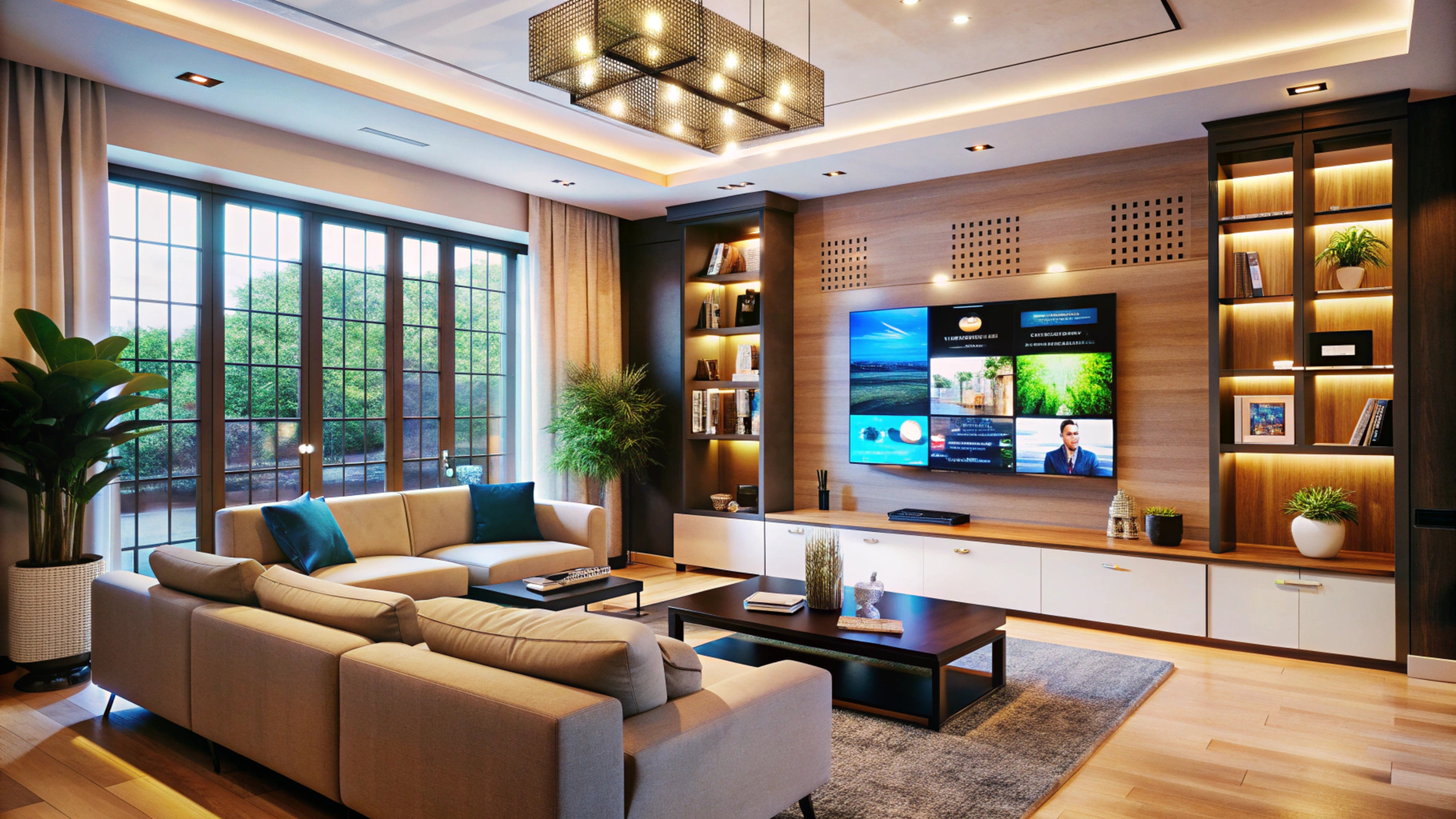
Ambient lighting provides overall brightness to the space. Ceiling lights, chandeliers, or recessed lighting are commonly used to illuminate the entire living room.

Task Lighting
Task lighting is used for specific activities like reading or working. Floor lamps beside sofas or table lamps near seating areas add practicality to the living room design.

Accent Lighting
Accent lighting highlights decorative elements such as artwork, textured walls, or shelves. Wall lights and LED strips are excellent for adding depth and enhancing the overall lighting design.

When these lighting layers are combined effectively, the result is a comfortable and visually appealing living room.

2. Choose a Statement Lighting Fixture

One of the most effective ways to upgrade a living room design is by introducing a statement lighting piece. Chandeliers or designer pendant lights are excellent choices when incorporating luxury lighting.

A modern chandelier above the seating area or a stylish pendant light can become the focal point of your living room. The design should complement your interiors. For example:

  • Minimal chandeliers work well in modern interiors
  • Crystal chandeliers suit classic luxury homes
  • Sculptural pendant lights are ideal for contemporary spaces

A carefully selected statement fixture not only enhances lighting but also adds character and sophistication to the room.

3. Match Lighting with Your Interior Style

Lighting should complement the overall theme of your living room design. Whether your interiors are modern, traditional, or minimalist, the lighting fixtures should blend naturally with the décor.

For example:

  • Modern living rooms: Sleek fixtures and geometric pendant lights
  • Classic interiors: Crystal chandeliers and decorative wall lights
  • Minimal interiors: Concealed lighting and subtle floor lamps

Working with the best interior designers in gurgaon can help ensure that your lighting choices align perfectly with the overall style and layout of your home.

4. Choose Warm Lighting for Comfort

The living room should feel relaxing and welcoming, which makes lighting temperature extremely important.

Warm white lighting (around 2700K–3000K) creates a cozy and inviting atmosphere. It enhances the comfort of your living room design while giving the space a luxurious feel.

Cool white lights are better suited for workspaces or kitchens, but they can feel too harsh in a relaxation area. Many luxury homes also use dimmers so that lighting brightness can be adjusted according to mood or time of day.

Adding dimmers improves the flexibility of your lighting design and helps create the perfect ambience for different occasions.

5. Highlight Architectural Features

Luxury homes often include beautiful architectural details such as textured walls, artwork, decorative panels, or custom shelves. Accent lighting can highlight these elements and make them stand out.

Some popular lighting ideas include:

  • Wall washers to highlight textured walls
  • LED strip lighting behind panels or shelves
  • Spotlights for artwork or decorative pieces

These techniques add depth and elegance to your living room while enhancing the overall lighting design.

6. Balance Natural and Artificial Lighting

Natural light plays a big role in making a living room feel open and refreshing. Large windows, sheer curtains, and glass doors allow sunlight to enhance the space during the day.

However, once the sun sets, artificial lighting should maintain the same warmth and brightness. A balanced combination of chandeliers, wall lights, and floor lamps ensures your living room design looks equally beautiful in the evening.

Final Thoughts

The right lighting can change the entire look of your living room. Using layered lighting design, statement lights, and warm lighting can make the space feel stylish and comfortable.

A good living room design should look beautiful and also feel welcoming. An experienced interior designer in gurgaon can help you choose and place the right lighting so natural and artificial light work well together and make your living room look elegant.

FAQs

1. What type of lighting is best for a living room?

A combination of ambient, task, and accent lighting works best for a living room. Layered lighting improves functionality while enhancing the overall living room design.

2. How do I make my living room lighting look luxurious?

To create a luxurious feel, use luxury lighting fixtures like chandeliers, pendant lights, and decorative wall lights. Warm lighting tones and layered lighting design also help create an elegant ambience.

3. What color lighting is ideal for a living room?

Warm white lighting between 2700K and 3000K is ideal for a living room because it creates a comfortable and relaxing environment.

4. How important is lighting in living room design?

Lighting is a key element of living room design because it affects both aesthetics and functionality. The right lighting design can highlight décor, improve visibility, and enhance the overall atmosphere of the space.

5. Should I hire an interior designer for living room lighting?

Working with professionals like the best interior designers in gurgaon can help you create a well-balanced lighting plan that complements your interiors and improves the overall design of your home.